


Table of Contents
Ambient lighting and accent lighting serve different purposes in your home.
- Ambient lighting provides overall illumination to a room, making it bright enough for everyday activities.
- Accent lighting highlights specific features or areas to create visual interest.
Understanding the difference between ambient lighting vs accent lighting helps you create a well-balanced lighting design that’s both functional and beautiful. When used together, these lighting types create layers that make your space more versatile and visually appealing.

What Is Ambient Lighting?
Ambient lighting is the main source of light in any room. Think of it as the foundation of your lighting plan. It provides overall illumination that lets you see and move around safely. Without good ambient lighting, rooms feel dark, small, and unwelcoming.
Common Types of Ambient Lighting
- Ceiling fixtures – These include flush mounts, semi-flush mounts, and chandeliers that spread light throughout the room.
- Recessed lighting – These lights sit inside the ceiling, creating an even wash of light without hanging down.
- Wall sconces – When placed strategically, these can provide ambient light that bounces off walls and ceilings.
- Floor lamps – Tall lamps with lampshades that direct light upward contribute to ambient lighting.
Benefits of Ambient Lighting
Good ambient lighting makes spaces feel open and welcoming. It helps prevent eye strain during everyday activities. Ambient lighting also creates a consistent light level throughout the room, eliminating harsh shadows and dark corners.

When choosing ambient lighting, consider the size of your room. A larger room needs more ambient light sources. The color temperature matters too. Warm white (2700-3000K) creates a cozy feeling, while cool white (3500-4100K) works better for task-oriented spaces.
What Is Accent Lighting?
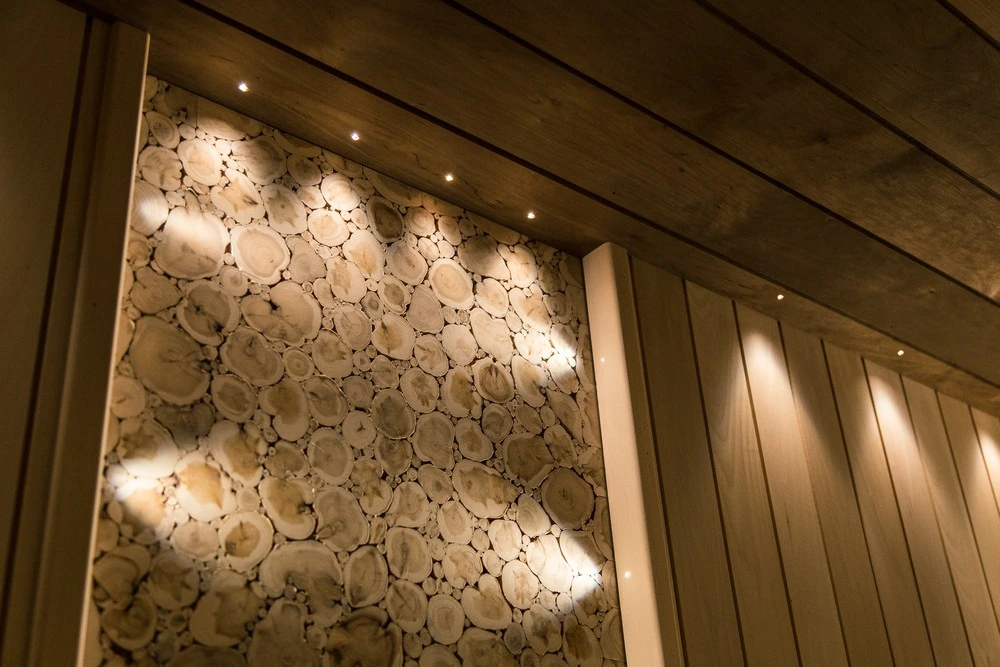
Accent lighting adds drama and visual interest to your space. Unlike ambient lighting, accent lighting isn’t meant to illuminate the entire room. Instead, it draws attention to specific features or creates focal points. Good accent lighting makes your room look more designed and intentional.
Common Types of Accent Lighting
- Track lighting – Adjustable lights on a track that can be aimed at artwork or architectural features.
- Picture lights – Mounted above artwork to highlight paintings or photographs.
- Uplights – Placed on the floor to shine upward, highlighting plants, columns, or textured walls.
- LED strips – Flexible lighting that can be installed under cabinets, along stairs, or behind TVs.
- Table lamps – When used to highlight a specific area rather than for general lighting.
Benefits of Accent Lighting
Accent lighting creates depth and dimension in your space. Without it, rooms can feel flat and one-dimensional. It helps showcase your favorite items like artwork, plants, or architectural details. Accent lighting also creates atmosphere and mood that ambient lighting alone can’t achieve.
For effective accent lighting, aim for brightness that’s about three times stronger than your ambient lighting. This contrast helps the accented features stand out. Position accent lights carefully to avoid glare or unwanted shadows.
Key Differences Between Ambient and Accent Lighting
Understanding the differences between ambient lighting vs accent lighting helps you use each type effectively. Here’s how they compare:
Purpose and Function
- Ambient lighting serves a practical purpose – to provide enough light to see and function in a space.
- Accent lighting serves a decorative purpose – to create visual interest and highlight specific features.
Coverage Area
- Ambient lighting covers large areas evenly, illuminating the entire room.
- Accent lighting focuses on small, specific areas, creating pools of light rather than even coverage.
Brightness Levels
- Ambient lighting provides moderate, consistent brightness throughout a space.
- Accent lighting is typically brighter than ambient lighting in the specific area it targets.
Visual Impact
| Lighting Type | Primary Goal | Visual Effect |
|---|---|---|
| Ambient Lighting | Functionality | Creates an even, comfortable base layer of light |
| Accent Lighting | Visual Interest | Creates contrast, depth, and focal points |
When planning your lighting, remember that ambient lighting vs accent lighting isn’t an either/or choice. The best lighting designs use both types together to create a balanced, layered effect.
How to Combine Ambient and Accent Lighting
Creating a well-lit space means combining ambient lighting vs accent lighting in the right proportions. Here’s how to achieve a balanced lighting plan:
The 3-Layer Approach
Professional designers often use a three-layer approach to lighting:
- Ambient lighting as the foundation layer
- Task lighting for specific activities (reading, cooking, etc.)
- Accent lighting to add visual interest and highlight features
Start with good ambient lighting to ensure the room has enough overall illumination. Then add accent lighting to create focal points and visual interest. Use dimmers whenever possible to adjust the balance between ambient lighting vs accent lighting depending on the time of day or activity.

Creating Lighting Zones
Divide larger rooms into lighting zones. Each zone can have its own combination of ambient and accent lighting. For example, in a living room, you might have:
- A seating area with ambient lighting from a ceiling fixture plus accent lighting on artwork
- A reading nook with a floor lamp for ambient light and a table lamp for accent
- A display shelf with ambient light from the room plus accent lighting to highlight collectibles
Balancing Light Levels
For the most dramatic effect, accent lighting should be about three times brighter than ambient lighting in the specific area it targets. This creates enough contrast to draw the eye without being jarring. If your accent lighting doesn’t stand out, it may not be bright enough compared to your ambient lighting.
Remember that light colors and materials affect how lighting works. Dark walls absorb light, requiring more ambient lighting. Shiny surfaces reflect light, potentially creating glare with poorly placed accent lighting.
Room-by-Room Lighting Guide
Different rooms have different lighting needs. Here’s how to balance ambient lighting vs accent lighting in each space:
Living Room Lighting
The living room often needs the most versatile lighting plan since it’s used for many activities.
Ambient lighting options:
- Ceiling fixtures or recessed lighting
- Floor lamps that direct light upward
- Wall sconces that wash light across walls
Accent lighting ideas:
- Picture lights above artwork
- Table lamps on side tables or consoles
- LED strips behind the TV or under floating shelves
- Track lighting aimed at architectural features
Kitchen Lighting
Kitchens need good ambient lighting for safety and task lighting for food prep.
Ambient lighting options:
- Recessed ceiling lights in a grid pattern
- Pendant lights over islands or dining areas
- Flush-mount ceiling fixtures
Accent lighting ideas:
- Under-cabinet lighting to highlight countertops
- Inside-cabinet lighting for glass-front cabinets
- Pendant lights that create pools of light over special areas
Bedroom Lighting
Bedrooms need flexible lighting that can be bright for getting dressed but soft for relaxing.
Ambient lighting options:
- Ceiling fixtures with dimmers
- Wall sconces on either side of the bed
- Floor lamps in corners
Accent lighting ideas:
- Bedside table lamps for reading
- LED strips under the bed for a floating effect
- Picture lights above artwork or photos
Bathroom Lighting
Bathrooms need good ambient lighting plus task lighting for grooming.
Ambient lighting options:
- Recessed ceiling lights
- Decorative ceiling fixtures
Accent lighting ideas:
- Vanity lights around mirrors
- LED strips under floating vanities
- Shower niche lighting
Common Lighting Mistakes to Avoid
When balancing ambient lighting vs accent lighting, watch out for these common mistakes:
Relying on a Single Light Source
Many people make the mistake of installing one ceiling light and calling it done. This creates harsh shadows and a flat-looking space. Instead, use multiple light sources at different heights to create depth and eliminate shadows.
Forgetting About Dimmers
Dimmers are essential for balancing ambient lighting vs accent lighting. They let you adjust light levels throughout the day and for different activities. Install dimmers for both ambient and accent lighting whenever possible.
Incorrect Placement
Poorly placed lights can cause glare or fail to highlight features effectively. For accent lighting, the angle matters. Experiment with different positions before permanent installation. For ambient lighting, ensure even distribution throughout the space.
Ignoring Color Temperature
Mixing very different color temperatures can make a space feel disjointed. Try to keep ambient and accent lighting within a similar color range. For most homes, warm white (2700-3000K) creates a cozy, welcoming atmosphere.
Overlooking Energy Efficiency
With multiple light sources, energy usage can add up. Use LED bulbs for both ambient and accent lighting to reduce energy consumption. LEDs last longer and use less electricity than traditional bulbs.
Frequently Asked Questions
What is the main difference between ambient lighting vs accent lighting?
Ambient lighting provides overall illumination to an entire room, making it functional and comfortable. Accent lighting highlights specific features or areas to create visual interest and depth. Ambient lighting serves a practical purpose, while accent lighting is more decorative.
Can a light fixture serve as both ambient and accent lighting?
Yes, some fixtures can serve dual purposes. For example, a pendant light over a dining table provides ambient lighting for the room but also accents the table area. Track lighting can provide ambient light when aimed at the ceiling but accent light when directed at artwork.
How many accent lights should I use in a room?
There’s no fixed rule, but a good guideline is to have 3-5 accent lights in an average-sized room. Focus on highlighting your favorite features rather than trying to accent everything. Too many accent lights can create a busy, chaotic feeling.
What’s the best color temperature for ambient vs accent lighting?
For ambient lighting, warm white (2700-3000K) works well in living spaces and bedrooms, while cooler whites (3500-4100K) work better in kitchens and bathrooms. For accent lighting, slightly warmer temperatures (2500-2700K) can create a more dramatic effect, especially when highlighting warm-toned objects like wood or artwork.
Is task lighting the same as accent lighting?
No, task lighting is a third category of lighting specifically designed to illuminate areas where you perform activities requiring visual focus, like reading, cooking, or working. While accent lighting highlights objects, task lighting illuminates activities. However, some fixtures can serve as both task and accent lighting depending on their placement.
How do I balance ambient lighting vs accent lighting in a small room?
In small spaces, focus on good ambient lighting first, using space-saving options like recessed lights or wall sconces. Then add just 1-2 accent lights to highlight the most important features. Using light colors on walls helps ambient light reflect better, making the space feel larger.
Create Your Perfect Lighting Balance Today
Understanding the difference between ambient lighting vs accent lighting is the first step toward creating a beautifully lit home. Remember that good lighting design uses layers, combining both types to create spaces that are functional and visually interesting. Start with a solid foundation of ambient lighting, then add accent lighting to highlight your favorite features and create atmosphere.
Ready to transform your home with the perfect balance of ambient lighting vs accent lighting? Book a consultation with our lighting design experts today. We’ll help you create a custom lighting plan that enhances your space and fits your lifestyle. Contact iConduit Electric now to schedule your appointment and take the first step toward a beautifully lit home!