


Table of Contents
Parking lot lighting problems can create serious safety hazards for businesses and their customers. Poor lighting leads to accidents, increases crime risk, and can result in costly liability issues.
The most common parking lot lighting problems include insufficient brightness, uneven light distribution, high energy costs, frequent bulb failures, and outdated technology.
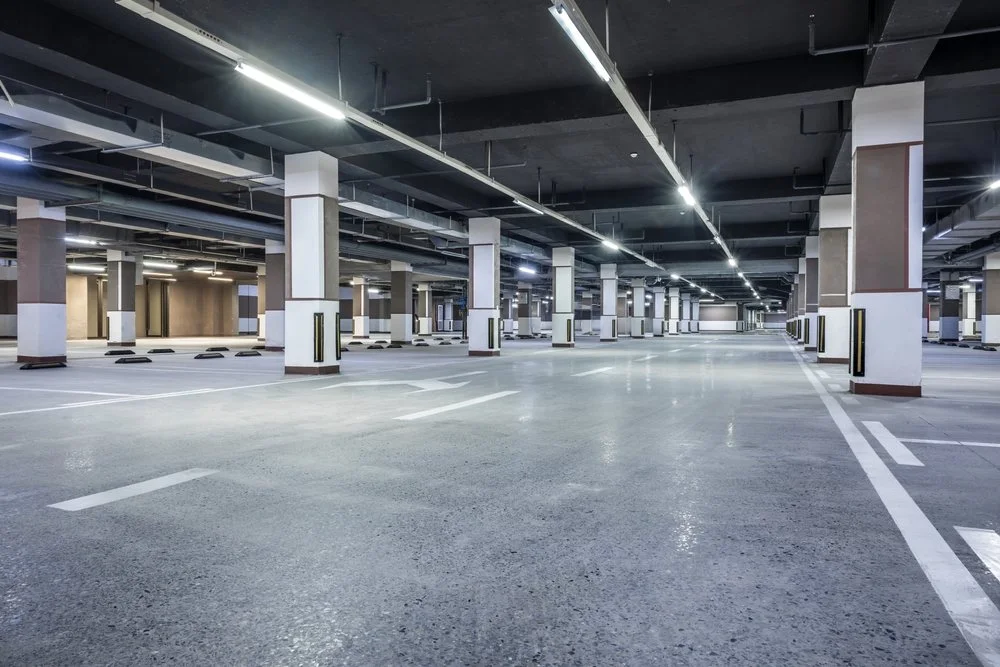
Fixing these issues typically involves upgrading to LED lighting, implementing proper maintenance schedules, and designing lighting plans that eliminate dark spots.
Understanding Parking Lot Lighting Problems
Parking lot lighting problems affect businesses of all sizes. From small retail stores to large shopping centers, proper lighting is essential for safety and security. When parking lots have poor lighting, customers feel unsafe and may choose to shop elsewhere.
Good parking lot lighting serves multiple purposes. It helps people see where they’re walking, find their cars, and avoid obstacles. It also deters criminals who prefer to operate in dark areas. When lighting fails in these spaces, it creates risks for everyone using the parking lot.
Business owners often don’t realize they have parking lot lighting problems until someone complains or an incident occurs. By then, it might be too late to prevent accidents or crime. Regular lighting assessments can help identify issues before they become serious problems.
6 Common Parking Lot Lighting Problems
1. Insufficient Brightness
One of the most common parking lot lighting problems is simply not having enough light. Many parking lots use fixtures that don’t produce enough lumens (the measure of light output). This creates dark areas where people can’t see clearly.
Insufficient brightness happens when lighting fixtures are too few, too weak, or placed too far apart. It can also occur when buildings or trees block light from reaching certain areas. People need at least 5-10 foot-candles of light to feel safe in parking areas.
When customers can’t see properly in your parking lot, they may trip over curbs, hit obstacles with their cars, or become victims of crime. Proper brightness levels are the foundation of good parking lot lighting.
2. Uneven Light Distribution
Even if your parking lot has bright lights, uneven distribution creates dangerous dark spots. These areas of contrast make it hard for eyes to adjust and can hide hazards from view. Uneven lighting is one of the most overlooked parking lot lighting problems.
Light distribution problems often result from poor fixture placement. When lights are spaced incorrectly or mounted at inconsistent heights, they create a patchwork of bright and dark areas. This “zebra effect” is disorienting and unsafe.
Good parking lot design includes overlapping light patterns that eliminate dark zones. Each light should reach the area covered by neighboring fixtures, creating consistent illumination throughout the space.
3. High Energy Costs
Many businesses struggle with high electricity bills from outdated parking lot lighting. Older metal halide or high-pressure sodium lights consume massive amounts of energy compared to modern alternatives. These high costs are a significant parking lot lighting problem.
Traditional lighting technologies convert much of their energy into heat rather than light. This wastes electricity and money. Some older parking lots spend thousands of dollars more than necessary each year just to keep their lights on.
The financial burden of inefficient lighting affects a business’s bottom line. Many owners don’t realize how much they could save by upgrading their parking lot lighting systems to more efficient options.
4. Frequent Bulb Failures
Constantly replacing burnt-out bulbs is a frustrating parking lot lighting problem. Traditional lighting technologies have relatively short lifespans, requiring frequent maintenance. This creates ongoing costs and periods of inadequate lighting.
When bulbs fail, they often do so suddenly and completely. This leaves sections of parking lots dark until maintenance crews can replace them. During these periods, safety and security are compromised.
The labor costs for replacing bulbs add up quickly, especially for large parking facilities. Maintenance teams must use lifts or ladders to access fixtures, making even simple bulb changes expensive and time-consuming.
5. Poor Color Rendering
Many older parking lot lights produce yellowish or orange light that distorts colors. This poor color rendering is a parking lot lighting problem that makes it difficult to identify vehicles, read signs, or spot potential dangers.
Low-quality lighting makes security camera footage less useful because colors appear washed out or changed. This can hamper investigations if incidents occur in your parking lot. Clear, white light is much better for security purposes.
People also feel less comfortable in areas with poor color rendering. The unnatural light creates an unwelcoming atmosphere that can drive customers away from businesses, especially at night.
6. Light Pollution and Glare
Poorly designed parking lot lighting can create excessive glare and light pollution. These parking lot lighting problems affect not just your property but surrounding areas as well. Glare creates visibility problems for drivers and pedestrians.
Light pollution occurs when fixtures direct light upward or outward instead of focusing it downward where it’s needed. This wastes energy and can violate local ordinances in many communities. It also contributes to the growing problem of night sky brightness.
Glare from overly bright or poorly aimed fixtures can temporarily blind drivers entering or leaving your parking lot. This increases accident risk and creates liability issues for property owners.
Solutions to Parking Lot Lighting Problems
Upgrade to LED Technology
The most effective solution to many parking lot lighting problems is upgrading to LED technology. LED lights use up to 75% less energy than traditional lighting while providing better illumination. They’re the gold standard for modern parking lots.
LEDs offer superior brightness, color rendering, and directional control. They produce clean, white light that makes colors appear natural and helps people see clearly. This improves both safety and the overall appearance of your property.

The long lifespan of LED fixtures—often 50,000 to 100,000 hours—virtually eliminates the frequent bulb replacement problem. Many businesses find that their LED parking lot lights last 10+ years with minimal maintenance.
Implement Smart Lighting Controls
Smart controls add intelligence to your parking lot lighting system. These technologies can automatically adjust brightness based on time of day, occupancy, or weather conditions. They’re excellent solutions to energy waste problems.
Motion sensors can dim lights when areas are unoccupied and brighten them when someone enters. This saves energy while maintaining security. Some systems can even detect when natural daylight is sufficient and adjust accordingly.
Networked lighting controls allow remote monitoring and management of your entire parking lot. Property managers can identify failures immediately and even predict maintenance needs before outages occur.
Redesign Lighting Layout
Sometimes solving parking lot lighting problems requires a complete redesign of the lighting layout. A professional lighting designer can create a plan that eliminates dark spots and provides even illumination throughout your property.
Proper fixture placement ensures overlapping light patterns with no gaps. The height, spacing, and aiming of each light is carefully calculated to maximize coverage while minimizing glare and light pollution.
A good redesign also considers the specific needs of different areas. Entrances, walkways, and payment kiosks may need brighter lighting than general parking areas. A thoughtful design addresses these varying requirements.
Benefits of Fixing Parking Lot Lighting Issues
Improved Safety and Security
The most important benefit of solving parking lot lighting problems is improved safety. Good lighting reduces trip hazards, prevents vehicle accidents, and helps people navigate safely through your property.
Security also improves dramatically with proper lighting. Crime statistics show that well-lit areas experience significantly fewer incidents of theft, vandalism, and assault. Criminals prefer to operate in darkness where they’re less likely to be seen.
Better lighting also improves the effectiveness of security cameras. Clear, well-distributed light ensures that surveillance systems capture usable footage that can identify individuals and vehicles if incidents occur.
Reduced Energy Costs
Fixing parking lot lighting problems almost always results in lower energy bills. Modern LED fixtures use a fraction of the electricity required by older technologies while producing better light quality.
Many businesses report energy savings of 50-75% after upgrading their parking lot lighting. For large properties, this can translate to thousands of dollars in reduced operating costs each year.
The combination of energy-efficient fixtures and smart controls maximizes these savings. Lights that dim during low-traffic periods or turn off when sufficient daylight is available use only the energy that’s truly needed.
Lower Maintenance Expenses
Maintenance costs drop dramatically when parking lot lighting problems are addressed. LED fixtures typically require little or no maintenance for many years after installation, eliminating the constant bulb replacement cycle.
The labor savings are substantial, especially for large parking facilities. Maintenance crews spend less time on lighting issues and can focus on other property needs. Emergency lighting repairs become rare rather than routine.
Many modern lighting systems also include monitoring capabilities that alert property managers to potential issues before failures occur. This proactive approach prevents outages and extends the life of the entire lighting system.
Maintenance Tips for Parking Lot Lighting
Regular Inspection Schedule
Even the best parking lot lighting needs regular inspections. Establish a schedule to check all fixtures at least quarterly. Look for dim bulbs, flickering lights, damaged poles, or exposed wiring that could indicate problems.
Night inspections are particularly valuable for identifying parking lot lighting problems. Issues that aren’t apparent during daylight become obvious after dark. Walk through your entire property to spot uneven lighting or dark areas.

Document all inspections and create a system for tracking when repairs are made. This history helps identify patterns that might indicate larger issues with your lighting system.
Cleaning and Upkeep
Dirt and debris on light fixtures can reduce brightness by up to 30%. Regular cleaning is a simple way to maintain optimal performance and prevent parking lot lighting problems.
Clean fixtures at least twice yearly, more often in areas with heavy pollution or dust. Use appropriate cleaning methods for your specific fixtures to avoid damage to lenses or reflectors.
Check for vegetation that might be blocking light. Trees and shrubs grow over time and can create shadows that weren’t present when the lighting was initially installed. Trim as needed to maintain proper light distribution.
Prompt Replacement of Failed Components
When components do fail, replace them promptly. Even a single dark area can create safety hazards and liability issues. Establish a policy that prioritizes lighting repairs over less critical maintenance tasks.
Keep an inventory of common replacement parts on hand. This allows maintenance staff to make immediate repairs rather than waiting for parts to be ordered and delivered.
Consider establishing a relationship with a reliable electrical contractor who specializes in commercial lighting. They can provide emergency service when internal maintenance staff can’t resolve parking lot lighting problems quickly.
Choosing the Right Lighting Contractor
Qualifications to Look For
When hiring a contractor to fix parking lot lighting problems, look for specific qualifications. They should have experience with commercial exterior lighting and knowledge of current technologies and codes.
Check for proper licensing and insurance. Electrical work is dangerous, and unqualified contractors can create safety hazards. Ask for proof of liability insurance and worker’s compensation coverage.
Industry certifications like Certified Lighting Efficiency Professional (CLEP) or credentials from the National Council on Qualifications for the Lighting Professions (NCQLP) indicate specialized knowledge in lighting solutions.
Questions to Ask Potential Contractors
Ask potential contractors about their approach to solving parking lot lighting problems. They should offer a comprehensive assessment rather than just replacing bulbs or fixtures.
Request examples of similar projects they’ve completed. Before-and-after photos can demonstrate their ability to transform problematic lighting into effective solutions.
Discuss warranty options for both parts and labor. Quality contractors stand behind their work with meaningful guarantees that protect your investment in improved lighting.
Frequently Asked Questions About Parking Lot Lighting Problems
How often should parking lot lights be replaced?
If your parking lot lights are older metal halides, you’ll likely need to replace them every few years. LEDs last much longer, but it’s smart to replace them once they dim to about 70% brightness to keep your lot safe and well-lit.
What is the ideal brightness for parking lot lighting?
A good rule is to aim for at least 0.5-2.0 foot-candles in most areas and more in entrances or walkways. This helps ensure people feel safe, can see clearly, and your lot meets local lighting guidelines.
How can I reduce my parking lot lighting energy costs?
Switching to LED lights is a great first step—they use way less power than old-school bulbs. Add sensors, timers, or photocells to cut costs even more and avoid wasting electricity when no one’s around.
Are there regulations for parking lot lighting?
Yes, many towns have rules to prevent glare, protect nearby homes, and ensure safety in public spaces. It’s always a good idea to check your local codes before upgrading or adjusting your parking lot lights.
How do I know if my parking lot lighting is adequate?
If people are complaining about dark spots, poor visibility, or unclear security footage, that’s a red flag. A lighting pro can use tools to measure brightness and show where your lot needs improvement.
What is light pollution and why should I care?
Light pollution is when artificial lighting spills into places it shouldn’t—like up into the sky or your neighbor’s yard. It wastes energy, blocks out stars, and can even mess with sleep patterns and wildlife.
Conclusion
Don’t let parking lot lighting problems compromise safety at your property. Our team of lighting experts can assess your current system and recommend cost-effective solutions that improve security while reducing energy and maintenance costs. Contact iConduit Electric today to schedule a free lighting evaluation and take the first step toward a safer, more efficient parking lot.