
Table of Contents
Accent lighting installation is a simple way to make your home look amazing. This type of lighting helps show off special parts of your home like artwork, plants, or furniture. When you add accent lighting, you can change how a room feels and make it look bigger or cozier. In this guide, we’ll show you everything about accent lighting installation, from picking the right lights to putting them in the right spots.
What is Accent Lighting?
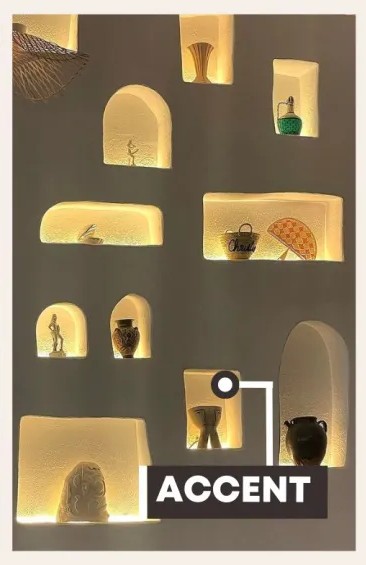
Accent lighting is a type of lighting that helps make certain things in your home stand out. Unlike main lights that light up a whole room, accent lighting focuses on specific spots or things. It’s like using a highlighter to mark important parts in a book.
The main job of accent lighting installation is to create focus points in your room. For example, you might use accent lighting to show off a pretty painting, a cool statue, or a special plant. This kind of lighting makes these things look even better.
Accent lighting also helps create a mood in your home. It can make a room feel warm and cozy or modern and fancy. When you mix accent lighting with your main lights, you get a room that looks well-planned and feels just right.
Types of Accent Lighting Options
When planning your accent lighting installation, you’ll find many different types to choose from. Each type works best for different spots in your home. Let’s look at the most popular options:
Track Lighting
Track lighting has several lights attached to a track that you mount on the ceiling. You can move and point these lights in different directions. This makes track lighting perfect for accent lighting installation in rooms where you might want to change what you highlight.
Track lighting works great above kitchen counters, to light up artwork on walls, or to brighten up bookshelves. You can use different kinds of bulbs in track lighting to get the exact look you want.
Recessed Lighting
Recessed lights sit inside your ceiling so they don’t stick out. They create a clean, hidden look while still providing great accent lighting. These lights work well when you want the light itself to be hidden.
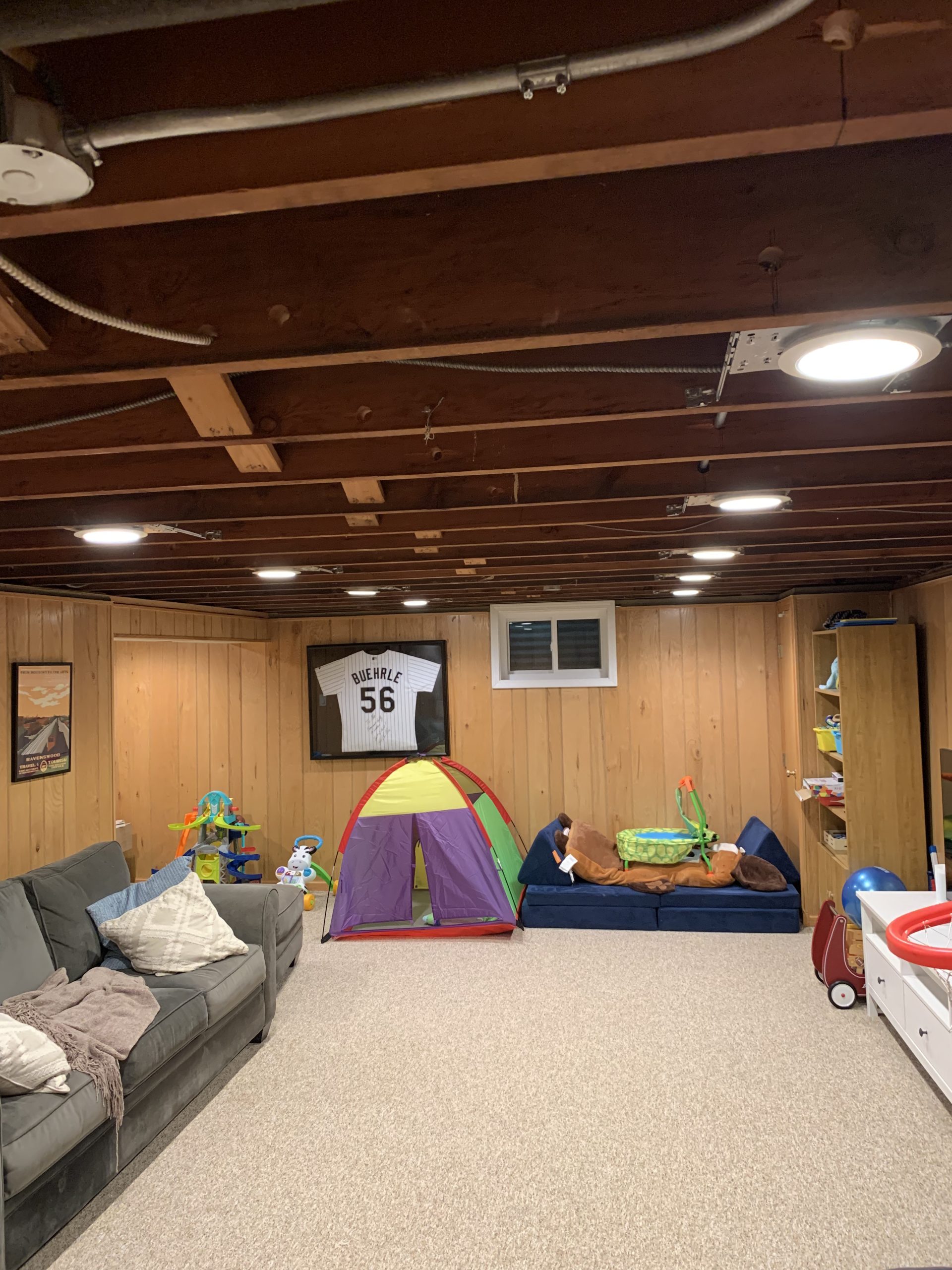
For accent lighting installation using recessed lights, you’ll need to plan carefully. Once installed, you can’t move them easily. They work best for highlighting walls, fireplaces, or special architectural features in your home.
Wall Sconces
Wall sconces are lights that attach to your walls. They can point light up, down, or both ways. Wall sconces add style to your room while also providing accent lighting.
These lights work great in hallways, on either side of mirrors, or next to artwork. When doing accent lighting installation with sconces, make sure to place them at eye level or slightly higher for the best effect.
LED Strip Lights
LED strip lights are thin, flexible strips with tiny lights. You can stick them almost anywhere, making them super versatile for accent lighting installation. They come in many colors and some can even change colors with a remote control.
These lights work great under cabinets, behind TVs, along stairs, or under furniture. They create a soft glow that makes rooms look modern and cool. LED strips use very little electricity, so they’re cheap to keep on for long times.
Picture Lights
Picture lights are made specifically to light up artwork. They mount above or on the frame of a painting or photo. For accent lighting installation focused on artwork, picture lights are the perfect choice.
These lights come in different styles to match your home’s look. Some connect to wall outlets, while others can be battery-powered if you don’t want visible cords.
Planning Your Accent Lighting Installation
Before you start buying lights and drilling holes, you need a good plan for your accent lighting installation. Taking time to plan will save you money and help you get the best results.
Identify What to Highlight
Walk through your home and make a list of things you want to highlight with accent lighting. This might include:
- Artwork or photos on walls
- Special furniture pieces
- Plants or flower arrangements
- Interesting architectural features
- Bookshelves or display cabinets
For each item on your list, think about what type of accent lighting would work best. A tall plant might need a floor spotlight, while a painting might need a picture light or track lighting.
Consider Light Temperature
Light temperature (measured in Kelvins) affects how colors look in your home. For accent lighting installation, you’ll need to pick the right temperature:
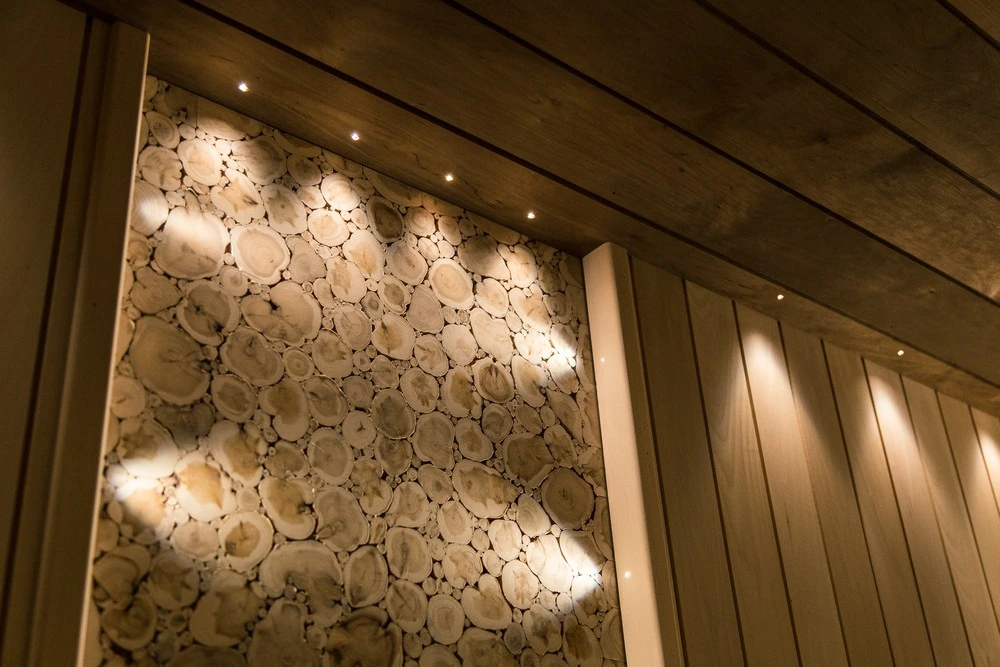
- Warm white (2700-3000K): Creates a cozy, golden glow. Great for highlighting wood, red, or orange items.
- Neutral white (3500-4000K): Balanced light that works well for most accent lighting needs.
- Cool white (5000-6500K): Crisp, bluish light that makes blues and greens pop.
Match your light temperature to what you’re highlighting. For example, use warm light for a wooden sculpture or cool light for a modern glass piece.
Map Out Your Electrical Needs
Accent lighting installation often requires new electrical connections. Make a map of your room showing:
- Where existing outlets are located
- Where you want new lights
- Possible paths for wiring
If you need to add new outlets or run wiring through walls, you might need to hire an electrician. For simpler projects, battery-operated or plug-in accent lights might be better options.
Create a Budget
Accent lighting installation costs can add up quickly. Create a budget that includes:
- Cost of light fixtures
- Installation materials (wiring, switches, etc.)
- Professional help if needed
- Extra for unexpected expenses
You don’t need to do all your accent lighting installation at once. You can start with one room or even one feature, then add more lights over time as your budget allows.
Step-by-Step Installation Guide
Now that you’ve planned your accent lighting installation, it’s time to get to work. Here’s how to install the most common types of accent lighting:
Safety First
Before starting any accent lighting installation that involves electricity:
- Turn off power at the breaker box
- Test wires with a voltage tester to make sure they’re not live
- Use insulated tools
- Follow all instructions that come with your lights
If you’re not comfortable working with electricity, hire a professional. It’s better to be safe than sorry!
Installing Track Lighting
Track lighting is one of the most versatile options for accent lighting installation. Here’s how to install it:
1. Mark the ceiling where you want to mount the track.
2. Locate ceiling joists using a stud finder.
3. Turn off power and remove any existing light fixture.
4. Connect the track’s electrical box to your ceiling’s wiring.
5. Attach the track to the ceiling, screwing into joists.
6. Snap the light fixtures onto the track.
7. Adjust each light to point at what you want to highlight.
Once installed, you can easily move the lights along the track or change their direction whenever you want to highlight different things.
Installing Recessed Lighting
Recessed lighting creates a clean look for your accent lighting installation:
1. Mark ceiling locations for each light.
2. Check above the ceiling for obstacles like pipes or wires.
3. Cut holes using the template that came with your lights.
4. Run electrical wiring to each hole.
5. Install the housing cans in the holes.
6. Connect the wiring to each light.
7. Insert the trim and bulb into each housing.
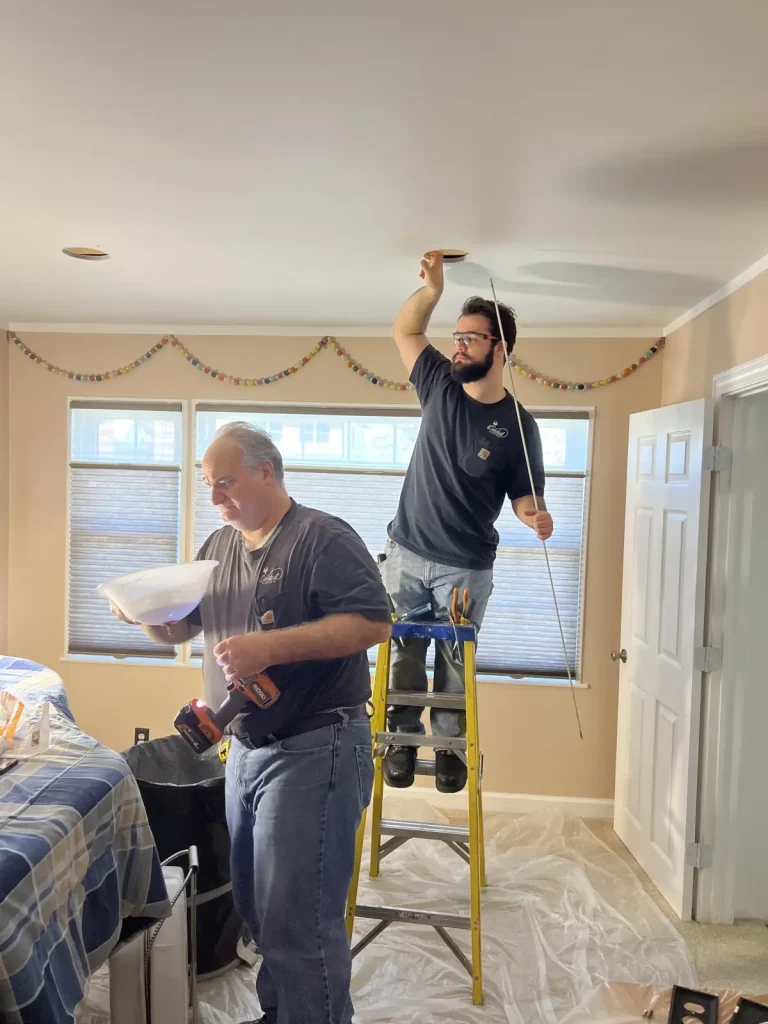
Recessed lighting installation is more complex and usually requires cutting into your ceiling. If you’re not experienced with this type of work, consider hiring a professional.
Installing LED Strip Lights
LED strips are one of the easiest options for DIY accent lighting installation:
1. Clean the surface where you’ll attach the strips.
2. Measure and cut the LED strips to the right length.
3. Peel off the backing and stick the strips in place.
4. Connect the strips to the power supply.
5. Hide the power supply and wires as much as possible.
6. Test the lights and adjust as needed.
LED strips work great under cabinets, behind TVs, along stairs, or under furniture. They create a soft glow that makes rooms look amazing.
Common Mistakes to Avoid
Even with careful planning, accent lighting installation can go wrong. Here are some common mistakes to avoid:
Using Too Much Light
The purpose of accent lighting is to create focus and contrast. If you use too many accent lights or make them too bright, you lose this effect. Your accent lighting installation should make certain things stand out, not light up everything.
A good rule is that accent lights should be about three times brighter than the general room lighting. This creates enough contrast to draw attention without being too harsh.
Poor Placement
Placing accent lights at the wrong angle can create problems like glare or shadows. When doing your accent lighting installation, test different positions before making permanent changes.
For artwork, the light should hit at about a 30-degree angle to avoid glare. For objects on shelves, light from above or slightly in front works best. Take time to experiment with placement before finalizing your installation.
Forgetting About Heat
Some types of accent lights get hot, which can damage what you’re trying to highlight. This is especially important when your accent lighting installation is near artwork, plants, or anything made of plastic.
LED lights are a good choice because they produce very little heat. If you use halogen or incandescent bulbs, make sure they’re far enough away from what they’re lighting to prevent heat damage.
Ignoring Energy Efficiency
Since accent lights are often left on for long periods, energy costs can add up. When planning your accent lighting installation, choose energy-efficient options like LED lights.
Many accent lights can also be connected to dimmer switches or smart home systems. This lets you control brightness and even set schedules for when lights turn on and off, saving electricity.

Maintenance Tips for Accent Lighting
To keep your accent lighting installation looking great for years, follow these maintenance tips:
Regular Cleaning
Dust and dirt on light fixtures can reduce brightness and change the color of the light. Clean your accent lights regularly:
- Turn off and unplug lights before cleaning
- Use a soft, dry cloth for most fixtures
- For glass covers, use glass cleaner and a lint-free cloth
- Clean recessed light trims with a vacuum attachment
A quick dusting once a month will keep your accent lighting installation looking its best.
Bulb Replacement
Even long-lasting LED bulbs eventually need replacement. Keep track of what bulbs your accent lighting installation uses so you can replace them with the same type.
When replacing bulbs, look for the same:
- Wattage (or equivalent)
- Color temperature (Kelvins)
- Beam angle
- Base type
Buying bulbs in bulk can save money if you have several of the same type in your accent lighting installation.
Check for Damage
Regularly inspect your accent lighting installation for signs of damage:
- Frayed wires
- Loose connections
- Cracked covers or housings
- Discoloration from heat
Fix any problems right away to prevent safety hazards and keep your accent lighting working properly.

Frequently Asked Questions About Accent Lighting
Can I install accent lighting myself or should I hire a professional?
Yes, you can install basic accent lighting yourself if you’re using battery-operated or plug-in options. But if you’re working with your home’s wiring or need recessed fixtures, hiring a licensed electrician ensures safety and code compliance.
What’s the difference between accent lighting and other types of lighting?
Accent lighting draws attention to design details like artwork or textures, while ambient lighting provides general room illumination and task lighting focuses on function. Together, they balance beauty, comfort, and visibility in a well-lit space.
How do I choose the right color temperature for accent lighting?
Choose warm whites for cozy spaces, cool whites to highlight colors like blue and green, and neutral tones for a balanced feel. Matching your accent lighting to your room’s mood and primary lighting gives everything a cohesive, layered look.
Are LED lights good for accent lighting installation?
Yes, LED lights are ideal for accent lighting because they’re energy-efficient, low-heat, and come in a range of colors and brightness levels. Though the upfront cost may be higher, their long lifespan and lower electricity use save money over time.
Ready to transform your home with beautiful accent lighting?
The right accent lighting installation can make your home look like it belongs in a magazine. Start with one room or feature, and see what a difference it makes. If you need help with your accent lighting installation, contact iConduit Electric and we will help you bring your vision to life. Book an appointment today to discuss your accent lighting needs and take the first step toward a more beautiful home!