
Table of Contents
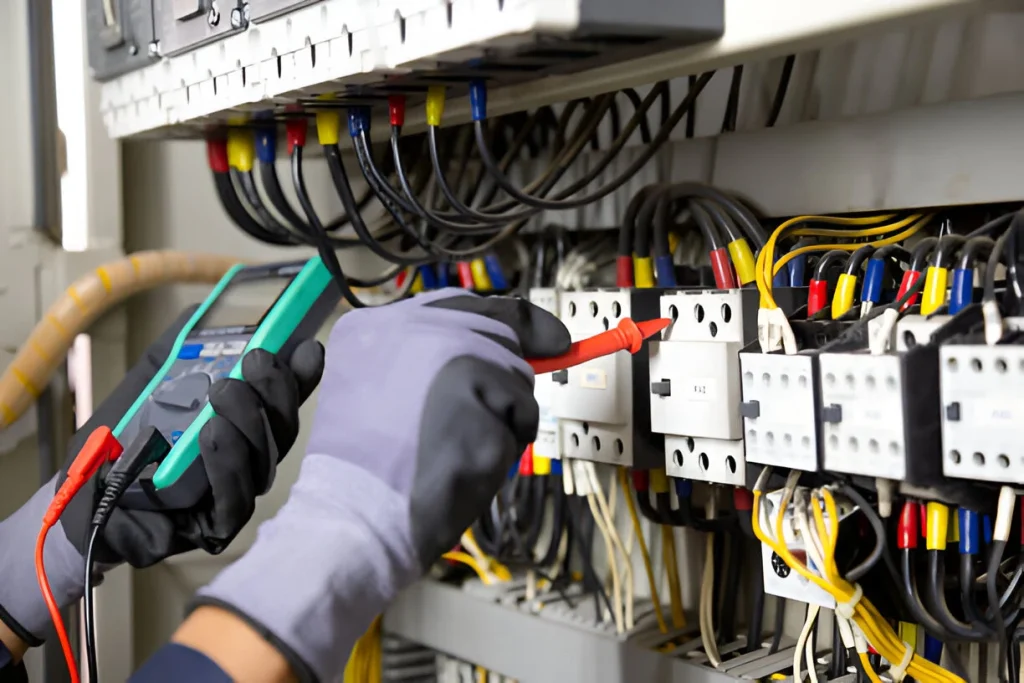
You should get an electrical inspection for your home every 3-5 years for general safety. However, older homes (25+ years) should be inspected more frequently, about every 2-3 years. If you’re buying or selling a home, planning renovations, or notice electrical problems like flickering lights or tripping breakers, you should schedule an immediate inspection regardless of timing.
Recommended Frequency for Electrical Inspections
How often you should get an electrical inspection depends on several factors. Let’s break down the recommended timelines based on your specific situation:
For Average Homes (Under 25 Years Old)
If your home is relatively new and under 25 years old, you should schedule an electrical inspection every 3-5 years. This timeline helps catch potential issues before they become dangerous problems. Regular inspections ensure your electrical system remains up to code and functions safely.
For Older Homes (25+ Years Old)
Homes that are 25 years or older should have more frequent electrical inspections, ideally every 2-3 years. Older homes often have outdated wiring systems that weren’t designed to handle modern electrical demands. These older systems can deteriorate faster and pose greater safety risks.
For Historic Homes (50+ Years Old)
If you live in a historic home that’s over 50 years old, annual electrical inspections are strongly recommended. These homes may have knob-and-tube wiring, aluminum wiring, or other outdated systems that require closer monitoring. The electrical components in these homes have likely undergone multiple modifications over the decades.
Special Circumstances Requiring Immediate Inspection
Certain situations call for an electrical inspection regardless of when your last one occurred:
- When buying or selling a home
- Before or after major renovations
- After a major electrical appliance installation
- Following a severe storm or flooding
- After experiencing electrical issues (flickering lights, burning smells, etc.)
Why Regular Electrical Inspections Matter
Getting regular electrical inspections isn’t just a good idea—it’s an essential safety practice. Here’s why these inspections matter so much:
Fire Prevention
Electrical fires account for roughly 51,000 home fires each year in the United States. Many of these could be prevented with proper inspections. Faulty wiring, overloaded circuits, and damaged electrical components are common fire hazards that inspections can identify before they cause harm.
Protecting Your Family
Electrical hazards can lead to serious injuries or even death. Shock risks, especially for children who might not understand the dangers, are significantly reduced when your electrical system is regularly checked. An inspector can identify exposed wires, improperly grounded outlets, and other safety concerns.
Saving Money Long-Term
While electrical inspections have an upfront cost, they can save you significant money over time. Identifying small issues before they become major problems prevents expensive emergency repairs. Additionally, an efficient electrical system uses less energy, potentially lowering your monthly utility bills.
Insurance Requirements
Many home insurance policies require regular electrical inspections to maintain coverage. If an electrical fire occurs and you haven’t had your system inspected according to requirements, your insurance company might deny your claim. Regular inspections help ensure you remain compliant with your policy terms.
Peace of Mind
Perhaps the most valuable benefit is simply knowing your home’s electrical system is safe. This peace of mind is especially important for families with children, elderly residents, or anyone with health concerns that could be worsened by electrical emergencies.
Warning Signs You Need an Immediate Inspection
Don’t wait for your scheduled inspection if you notice any of these warning signs. They indicate potential electrical problems that require immediate professional attention:
Visible Warning Signs
- Discolored outlets or switches – Brown or black marks around outlets or switches suggest burning has occurred.
- Sparks when plugging in devices – This indicates a serious wiring issue that could lead to fire.
- Visible wire damage – Frayed, cracked, or exposed wires are immediate hazards.
- Water near electrical components – This creates a dangerous shock risk.

Sensory Warning Signs
- Burning smells – Electrical fires often produce a distinctive burning plastic or metallic odor.
- Buzzing sounds – Electrical components should operate silently; buzzing suggests a problem.
- Warm outlets or switches – These should never feel hot to the touch.
- Tingling sensation – Feeling a mild shock when touching appliances or switches requires immediate attention.
Functional Warning Signs
- Frequently tripping circuit breakers – Occasional trips happen, but frequent occurrences indicate an overloaded circuit or short.
- Flickering or dimming lights – This suggests voltage fluctuations in your electrical system.
- Appliances not working properly – Unexplained performance issues could be related to electrical supply problems.
- GFCI outlets that won’t reset – These safety outlets should reset easily when tripped.
If you experience any of these warning signs, don’t attempt to diagnose or fix the problem yourself. Contact a licensed electrician immediately for an electrical inspection.
What Happens During an Electrical Inspection
Understanding what happens during an electrical inspection helps you prepare and know what to expect. Here’s a breakdown of the typical inspection process:
Initial Assessment
The electrician will first discuss any concerns you’ve noticed and ask about the age of your home and electrical system. They’ll want to know about recent renovations, additions of major appliances, or any electrical issues you’ve experienced. This conversation helps guide their inspection focus.
Main Electrical Panel Inspection
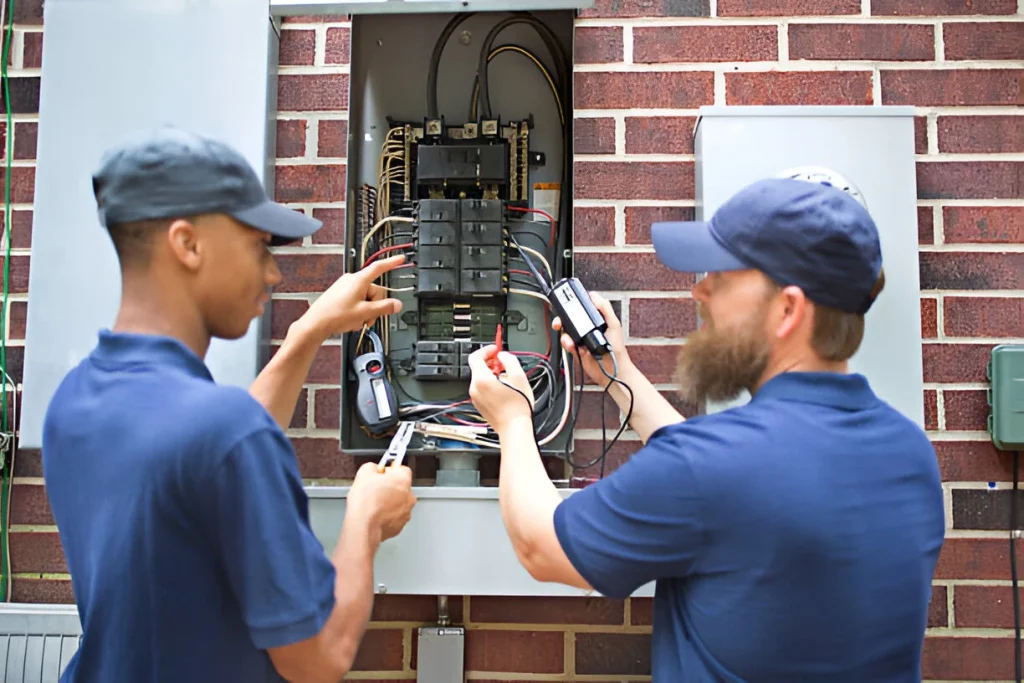
Your inspector will examine your main electrical panel (breaker box) to check for:
- Proper installation and secure mounting
- Correct circuit breaker sizes for the wires they protect
- Signs of overheating or corrosion
- Adequate labeling of circuits
- Appropriate total amperage for your home’s needs
Outlet and Switch Testing
Each accessible outlet and switch will be tested to verify:
- Proper grounding
- Correct polarity
- GFCI protection in required locations (kitchens, bathrooms, outdoors)
- Physical condition and secure mounting
- Appropriate function under load
Wiring Inspection
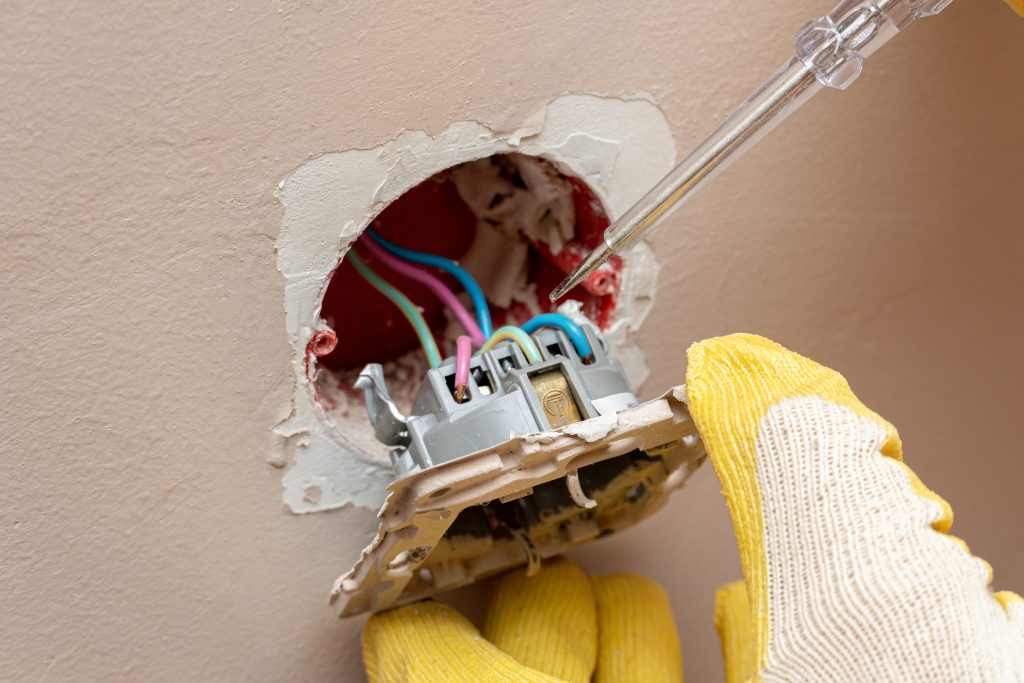
The inspector will check visible wiring throughout your home, looking for:
- Damaged insulation or exposed conductors
- Improper connections or splices
- Outdated wiring types (knob-and-tube, aluminum)
- Proper wire gauge for the application
- Correct routing and protection
Fixture and Appliance Connections
Light fixtures, ceiling fans, and major appliances will be examined for:
- Secure mounting and connections
- Appropriate wiring methods
- Proper grounding
- Signs of overheating or damage
Documentation and Recommendations
After completing the inspection, you’ll receive:
- A detailed report of findings
- Documentation of any code violations
- Prioritized recommendations for repairs or upgrades
- A suggested timeline for addressing issues
- Recommendations for your next inspection
A thorough electrical inspection typically takes 2-4 hours, depending on your home’s size and the complexity of its electrical system.
DIY Checks vs. Professional Inspections
While professional electrical inspections are essential, there are some basic checks you can perform between professional visits. Here’s how they compare:
What You Can Check Yourself
As a homeowner, you can safely perform these basic electrical checks:
- Visual inspections – Look for obvious damage to outlets, switches, and visible wiring.
- Test GFCI outlets – Press the “test” button monthly to ensure they trip and reset properly.
- Check smoke and carbon monoxide detectors – Test monthly and replace batteries as needed.
- Monitor for warning signs – Be alert for flickering lights, burning smells, or warm outlets.
- Inspect extension cords – Look for damage and ensure they’re not overloaded.
What Only Professionals Should Do
Leave these tasks to licensed electricians:
- Opening electrical panels – This exposes you to dangerous voltage levels.
- Testing circuit amperage – Requires specialized equipment and knowledge.
- Evaluating code compliance – Professionals stay updated on changing electrical codes.
- Inspecting hidden wiring – Professionals know where to look and what’s concerning.
- Thermal scanning – Identifies overheating components before they fail.
Creating a Balanced Approach
The best strategy combines regular DIY vigilance with professional expertise:
- Perform monthly visual checks of your electrical system.
- Test GFCI outlets and smoke detectors regularly.
- Document any concerns or changes to discuss with your electrician.
- Schedule professional inspections according to your home’s age and needs.
- Follow up promptly on any recommendations from your professional inspection.
Remember that DIY checks complement but never replace professional electrical inspections. Your safety depends on having qualified experts thoroughly evaluate your electrical system.
Factors That Affect Pricing
Several variables influence how much you’ll pay for an electrical inspection:
| Factor | How It Affects Cost |
|---|---|
| Home Size | Larger homes have more outlets, fixtures, and wiring to inspect |
| Home Age | Older homes require more thorough inspection of outdated systems |
| System Complexity | Homes with multiple panels, subpanels, or specialized systems cost more |
| Accessibility | Hard-to-reach areas increase inspection time and cost |
| Location | Regional labor rates affect pricing |
| Inspector Qualifications | More experienced electricians typically charge more |
Cost vs. Value Consideration
While the cost of electrical inspections might seem significant, consider these value points:
- The average cost to repair fire damage exceeds $12,000
- Medical bills from electrical injuries can reach tens of thousands
- Insurance premium increases after electrical incidents last for years
- Early detection of issues prevents more costly emergency repairs
When viewed as preventative maintenance rather than an expense, electrical inspections offer exceptional value. Many electricians also offer maintenance plans that include regular inspections at reduced rates.

Frequently Asked Questions
Are electrical inspections required by law?
Electrical inspections are legally required when new electrical work is installed or when obtaining permits for renovations. For existing homes, requirements vary by location. Some municipalities require inspections during property sales, while others have periodic inspection requirements for rental properties. Check with your local building department for specific requirements in your area.
How long does an electrical inspection take?
A typical electrical inspection takes 2-4 hours for an average-sized home. Larger homes, older properties, or those with complex electrical systems may require 4-6 hours or more. The inspector’s experience and the accessibility of your electrical components also affect the timeline.
Can I stay in my home during an electrical inspection?
Yes, you can remain in your home during most electrical inspections. The inspector may need to temporarily shut off power to certain circuits during testing, but this is usually brief. It’s helpful to be present so you can discuss any concerns and learn about your electrical system from the inspector.
What’s the difference between an electrical inspection and an energy audit?
An electrical inspection focuses specifically on safety, code compliance, and proper function of your electrical system. An energy audit, on the other hand, evaluates your home’s overall energy efficiency, including insulation, HVAC systems, appliances, and lighting. While there’s some overlap, they serve different primary purposes.
Will my insurance company give me a discount for regular electrical inspections?
Many insurance companies offer discounts for homes with recent electrical inspections or updated electrical systems. These discounts typically range from 5-20% on your premium. Contact your insurance provider to ask about specific discounts they offer for electrical safety measures.
What credentials should I look for in an electrical inspector?
Look for an inspector who is a licensed electrician with specific training in inspections. They should be familiar with the National Electrical Code (NEC) and local code requirements. Additional certifications from organizations like the International Association of Electrical Inspectors (IAEI) or the National Fire Protection Association (NFPA) are valuable. Always verify their license status and check reviews from previous customers.
Schedule Your Electrical Inspection Today
Don’t wait until you notice problems with your electrical system. Regular electrical inspections are essential for keeping your home and family safe. Whether your home is due for its routine inspection or you’ve noticed warning signs that something might be wrong, taking action now can prevent dangerous situations later.
Our team of licensed electricians specializes in thorough electrical inspections for homes of all ages. We’ll provide a detailed assessment of your electrical system’s condition and clear recommendations for any necessary improvements.
Contact iConduit Electric today to schedule your electrical inspection and enjoy the peace of mind that comes with knowing your home’s electrical system is safe and reliable.