
Table of Contents
Good parking lot lighting safety is all about keeping people safe when they walk to and from their cars. When parking lots have bright, well-placed lights, people can see where they’re going and feel safer. This helps stop accidents and crimes from happening.
Property owners who put in good lighting show they care about keeping visitors safe. In this guide, we’ll look at why parking lot lighting matters, how to make it better, and what rules you need to follow.
Why Parking Lot Lighting Safety Matters
Parking lot lighting safety isn’t just about making things look nice. It’s about keeping people safe. When a parking lot is dark, bad things can happen. People might trip and fall. Cars might hit each other. Bad people might try to steal things or hurt others.

Good lighting helps stop these problems. When people can see clearly, they’re less likely to trip or bump into things. Drivers can see where they’re going and avoid hitting people or other cars. And criminals usually stay away from bright areas where others can see them.
For business owners, good parking lot lighting safety means fewer accidents and less chance of being sued. It also makes customers feel safe, so they’re more likely to visit your business. This is especially important at night when people worry more about their safety.
The Real Cost of Poor Lighting
Bad parking lot lighting can cost you a lot of money. If someone gets hurt in your dark parking lot, you might have to pay for their medical bills. You might also face a lawsuit that costs thousands of dollars.
Insurance companies know that dark parking lots are risky. They might charge you more for insurance if your lighting isn’t good. And if crimes happen in your parking lot, police will spend more time there, which can scare away customers.
Poor lighting can also hurt your business in other ways. People talk about places that feel unsafe. If someone has a scary experience in your dark parking lot, they’ll tell their friends not to go there. This can really hurt your business over time.
Key Elements of Effective Parking Lot Lighting
Good parking lot lighting safety depends on several important things. First, you need the right amount of light. Experts say parking lots should have at least 1 foot-candle of light (that’s a measure of brightness). Some places need more, like 5 foot-candles near building entrances.
The type of lights matters too. LED lights are best because they’re bright, last a long time, and don’t cost much to run. They also turn on right away, unlike some older lights that take time to warm up.
Where you put the lights is super important. Lights should be spaced so there are no dark spots. They should be higher up (about 20 feet) so they cover more area. And they should be aimed to light up the ground, not shine in people’s eyes or into nearby homes.
Color Temperature and Quality
The color of your lights affects how well people can see. Lights with a color temperature of 4000K-5000K (which looks white) help people see colors correctly. This makes it easier to spot things like car colors or what someone is wearing.
Good quality light doesn’t just mean bright light. It means light that’s even and doesn’t create harsh shadows. Shadows can hide dangers or make people feel unsafe. The best lighting creates soft, even light across the whole parking lot.
Light pollution is also something to think about. Your lights should point down at the parking lot, not up into the sky or into nearby buildings. This is better for the environment and for your neighbors. Special shields can help direct the light where it needs to go.
Smart Lighting Systems
New smart lighting systems can make parking lots safer and save money. These systems can turn lights on and off based on when people are around. They can also make lights brighter or dimmer as needed.
Some smart systems can even tell when a light isn’t working and send a message to fix it. This means dark spots get fixed faster, keeping the parking lot safer. These systems cost more at first but save money over time.
Smart lighting can also connect to security cameras and emergency call buttons. This creates a complete safety system that protects people better than just lights alone.
Common Parking Lot Lighting Problems
Many parking lots have lighting problems that make them unsafe. The most common problem is not enough light. This creates dark spots where accidents or crimes can happen. Sometimes this happens because there aren’t enough light poles. Other times it’s because some lights have burned out and haven’t been replaced.
Another common problem is glare. This happens when bright lights shine directly into people’s eyes. Glare makes it hard to see and can actually be more dangerous than not enough light. It’s especially bad for older people whose eyes are more sensitive to bright light.
Uneven lighting is also a big problem. This creates bright spots and dark spots. When people walk from bright areas to dark ones, their eyes need time to adjust. During this time, they might not see dangers in their path.
Maintenance Issues
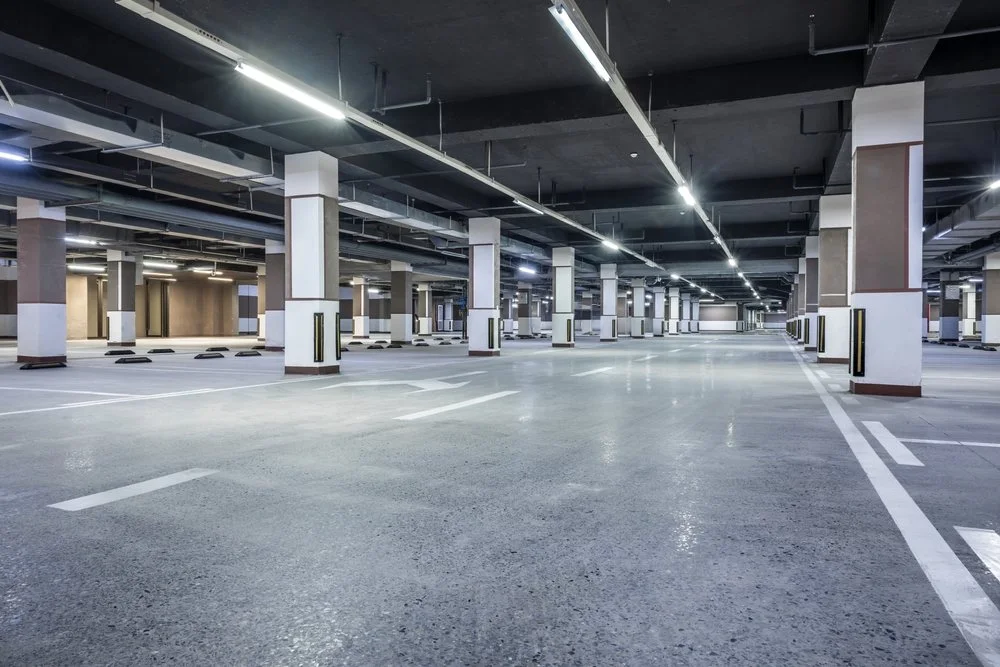
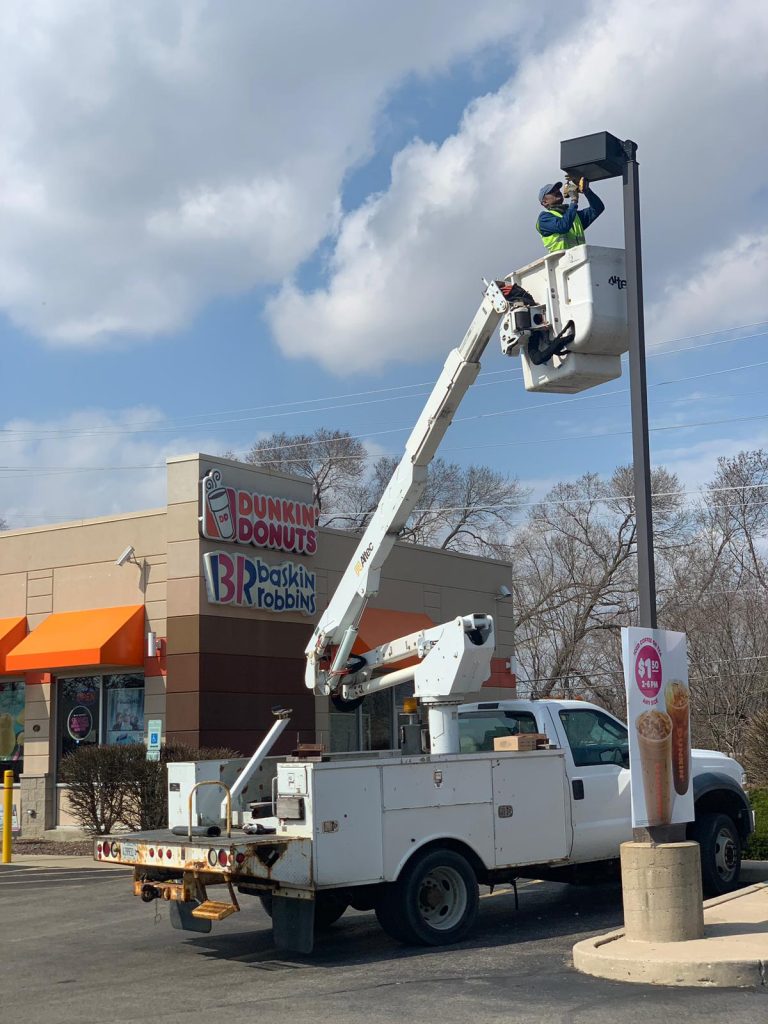
Many parking lot lighting problems happen because of poor maintenance. Lights burn out and don’t get replaced. Light fixtures get dirty, which makes them dimmer. And sometimes lights get damaged by weather or accidents.
Regular maintenance is key to parking lot lighting safety. This means checking lights often to see if they’re working. It means cleaning fixtures so they stay bright. And it means fixing or replacing damaged lights quickly.
Some property owners skip maintenance to save money. But this actually costs more in the long run. Poor lighting leads to accidents and crimes, which can cost much more than regular maintenance.
Outdated Technology
Many parking lots still use old lighting technology like metal halide or high-pressure sodium lights. These lights use more electricity than modern LEDs. They also don’t last as long and don’t provide as good light quality.
Old lights often create a yellow or orange glow that makes it hard to see colors correctly. This can make it difficult to identify cars or people. They also take time to warm up, so if the power goes out, the parking lot stays dark for several minutes after power returns.
Upgrading to modern LED lighting improves safety and saves money over time. LEDs use less electricity, last longer, turn on instantly, and provide better quality light. The initial cost is higher, but most businesses save money within a few years.
How to Improve Your Parking Lot Lighting
Improving parking lot lighting safety starts with a lighting audit. This means checking your current lighting to see where the problems are. You can hire a lighting expert to do this, or you can do a simple check yourself by walking around your parking lot at night to look for dark spots.
Once you know what needs fixing, make a plan. Start with the most important areas like entrances, walkways, and areas near buildings. These are the places where most people walk, so they need the best lighting.
Consider replacing old lights with LEDs. Even if you can’t replace all your lights at once, start with the most important areas. LEDs cost more upfront but save money over time because they use less electricity and last longer.
Strategic Light Placement
Where you put your lights matters as much as how bright they are. Lights should be placed to eliminate dark spots and shadows. Pay special attention to areas near walls, fences, or landscaping that might create hiding spots.
Light poles should be spaced based on how bright your lights are and how high the poles are. A typical spacing might be 2-4 times the height of the pole. So if your poles are 20 feet high, they might be spaced 40-80 feet apart.
Don’t forget about areas that might need extra lighting, like ATMs, payment kiosks, or areas where people wait for rides. These areas should be especially well-lit because people often stand still there, making them easier targets for criminals.
Lighting Controls and Timers
Smart controls can improve parking lot lighting safety while saving energy. Timers can turn lights on at dusk and off at dawn automatically. This ensures your lot is always lit when it’s dark, even as seasons change.
Motion sensors can make lights brighter when people are present and dimmer when the lot is empty. This saves energy while still keeping the lot safe. Some systems can even adjust brightness based on weather conditions, making lights brighter on foggy or rainy nights.
Remote monitoring systems let you check your lighting from anywhere using a computer or phone. These systems can alert you when lights burn out or when there are other problems. This helps you fix issues quickly before they become safety hazards.
Legal Requirements for Parking Lot Lighting
Parking lot lighting safety isn’t just a good idea—it’s often required by law. Many cities and states have specific rules about how bright parking lots must be. These rules are usually part of local building codes or zoning laws.
The Illuminating Engineering Society (IES) provides guidelines that many laws are based on. These guidelines recommend minimum light levels for different types of parking lots. For example, they might require brighter lighting for busy retail lots than for employee-only lots.
The Americans with Disabilities Act (ADA) also has lighting requirements. These rules help make sure people with disabilities can safely navigate parking lots. For example, areas with handicapped parking spaces often need to be brighter than other areas.
Liability Concerns
Property owners have a legal duty to keep their parking lots reasonably safe. This includes providing adequate lighting. If someone gets hurt in your parking lot because of poor lighting, you could be legally responsible.
Courts have ruled that property owners must provide enough light to let people see and avoid obvious hazards. If you know about lighting problems and don’t fix them, you’re even more likely to be found liable if someone gets hurt.
To protect yourself legally, keep records of your lighting maintenance. Document when you check lights, when you replace bulbs, and any upgrades you make. If someone does get hurt, these records can help show that you were taking reasonable care of your property.
Insurance Considerations
Insurance companies know that good lighting reduces risks. Some insurance policies offer lower rates for properties with good lighting. Others might require certain lighting standards before they’ll provide coverage at all.
If you’re improving your parking lot lighting, talk to your insurance company. They might help pay for upgrades through risk management programs. At the very least, better lighting might qualify you for lower premiums.
Remember that insurance usually won’t cover claims if you’ve been negligent. If you know your lighting is poor and don’t fix it, your insurance might not pay if someone sues you after an accident or crime.
Frequently Asked Questions About Parking Lot Lighting Safety
How bright should parking lot lights be?
Parking lots should have a minimum of 1 foot-candle of light throughout the lot. Areas with more activity, like near building entrances or payment kiosks, should have 3-5 foot-candles. A foot-candle is a measure of light that equals the amount of light from one candle falling on a one-square-foot surface one foot away.
What type of lights are best for parking lots?
LED lights are the best choice for parking lots. They use less energy than older types of lights, last longer, turn on instantly, and provide better quality light. They also work well in cold weather and can be dimmed or brightened as needed.
How often should parking lot lights be checked?
Parking lot lights should be checked at least once a month. During these checks, look for burned-out bulbs, damaged fixtures, and areas that seem too dark. Many property owners do quick visual checks more often and detailed inspections quarterly.
Can good lighting really prevent crime?
Yes, good lighting really does help prevent crime. Studies show that well-lit areas have less crime than poorly lit areas. Criminals prefer to work in darkness where they can’t be seen. Good lighting removes the cover of darkness and makes criminals more likely to be caught.
Are there environmentally friendly lighting options?
Yes, LED lights are much more environmentally friendly than older lighting types. They use less electricity, which reduces carbon emissions. They also last longer, which means fewer lights end up in landfills. And because they can be precisely aimed, they cause less light pollution.
Take Action for Better Parking Lot Lighting Safety
Good parking lot lighting safety protects people, reduces your legal risks, and can even save you money over time. Don’t wait for an accident or crime to happen before improving your lighting. Take action now to create a safer environment for everyone who uses your parking lot.
Start by checking your current lighting to find problems. Make a plan to fix these issues, focusing on the most important areas first. Consider upgrading to LED lights, which provide better lighting and save money in the long run.
Remember that parking lot lighting safety isn’t just about having bright lights. It’s about having the right lights in the right places, maintained properly. By following the advice in this guide, you can create a parking lot that’s safe, welcoming, and legally compliant.
Ready to improve your parking lot lighting safety? Contact iConduit Electric of lighting experts today for a free consultation. We can help you design a lighting plan that meets your needs and budget.