


Table of Contents
Where to Use Accent Lighting in Your Home
Accent lighting is a powerful way to highlight special features in your home and create a warm, inviting atmosphere. You can use accent lighting in many places like above artwork, around bookcases, under cabinets, along stairs, behind TVs, and in outdoor spaces. This type of lighting adds depth, creates focal points, and makes your home feel more special. Unlike main lights that brighten entire rooms, accent lighting draws attention to specific spots you want people to notice.
Accent lighting isn’t just pretty—it’s also very useful. It can make small spaces feel bigger, highlight your favorite things, and even help you see better in tricky spots. In this guide, we’ll show you where to use accent lighting in your home and give you simple tips to make your house look amazing with just a few well-placed lights.
What Is Accent Lighting?
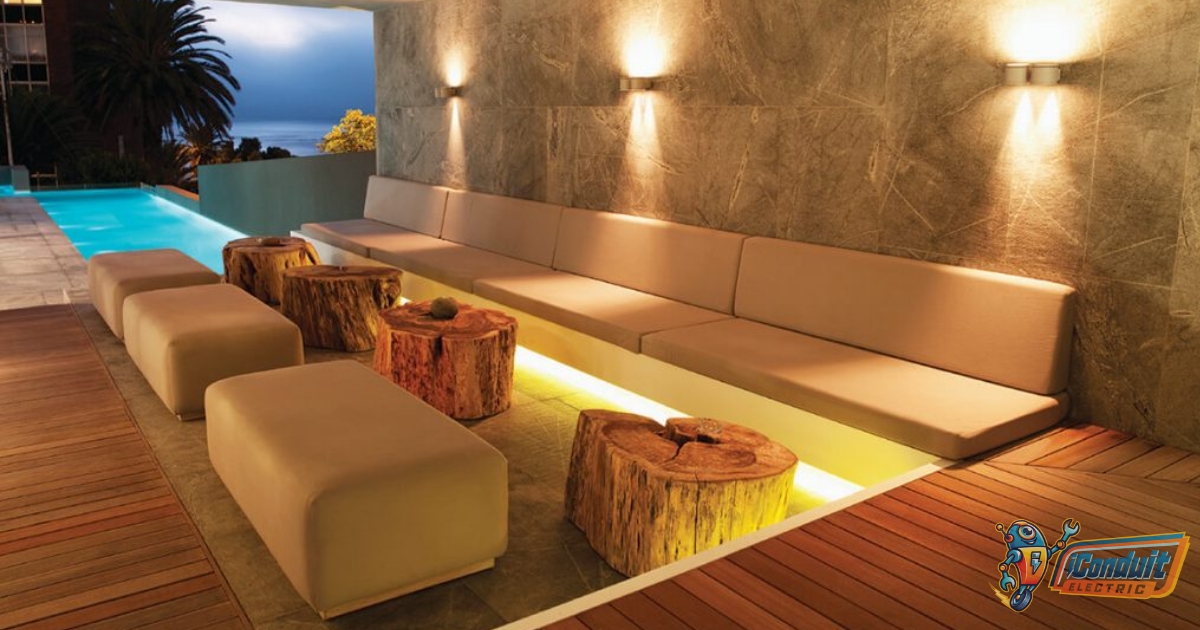
Accent lighting is a special kind of light that helps show off certain things in your home. Unlike your main lights that make the whole room bright, accent lights shine on just one area or thing. They’re like a spotlight that says, “Hey, look at this!”
These lights are usually three times brighter than the normal light in the room. This extra brightness makes the special thing stand out more. You might use accent lighting to show off a pretty painting, a cool statue, or even a nice plant.
Accent lighting comes in many types. You can get small spotlights, strip lights that stick under things, little puck lights, or even lights that point up from the floor. Each kind works best for different spots in your home.
The main job of accent lighting is to make your home look more interesting by creating bright spots and shadows. This mix of light and dark makes rooms feel cozy and special, not just flat and boring with the same brightness everywhere.
Best Places to Use Accent Lighting Indoors
Artwork and Wall Displays
Paintings, photos, and wall decorations look much better with accent lighting. Small track lights or picture lights above your artwork make colors pop and show off details you might miss otherwise. The light should point at a 30-degree angle to avoid glare.
For bigger wall displays or gallery walls, try track lighting that you can adjust to shine on different pieces. This creates a museum-like feel in your own home. LED picture lights are great too because they don’t get hot or fade your artwork.
Bookcases and Display Shelves
Bookcases and shelves with special items deserve accent lighting too. Small LED strip lights hidden on the underside of each shelf create a warm glow that makes books and decorations stand out.
For glass cabinets or display cases, tiny puck lights work well. They shine down on collectibles and make glass or crystal items sparkle. You can even get lights that change colors to match different moods or seasons.
Under Cabinet Lighting
Kitchen counters become much more useful with under cabinet lighting. These lights make it easier to see when you’re chopping vegetables or reading recipes. They also make countertops and backsplashes look prettier.
In bathrooms, under-vanity lighting creates a soft glow that’s perfect for nighttime trips without turning on harsh overhead lights. This kind of accent lighting is both pretty and practical.
Architectural Features
Homes with special architectural features like arched doorways, textured walls, or ceiling beams can use accent lighting to show these off. Uplights placed on the floor make columns or interesting walls look dramatic.
Crown molding can hide LED strip lights that wash the ceiling with soft light. This makes rooms feel taller and more elegant. Accent lighting can turn ordinary architectural details into stunning focal points.
Behind TVs and Entertainment Centers
The area behind your TV is perfect for accent lighting. LED strip lights stuck to the back of your TV create a soft glow called “bias lighting” that makes watching more comfortable for your eyes and makes the picture seem sharper.
Entertainment centers and media walls look more impressive with small spotlights highlighting decorative items. This creates a theater-like experience in your living room.
Stairways and Hallways
Stairs become safer and more stylish with accent lighting. Small lights built into stair risers or along the sides guide your way at night. This is especially helpful for older people or children.
Long hallways feel less boring with accent lights that create patterns on the walls. Wall sconces spaced evenly down a hallway make the space feel designed rather than just a pass-through area.
Outdoor Accent Lighting Ideas
Garden and Landscape Features
Your garden can look magical at night with the right accent lighting. Use spotlights to highlight special trees, bushes, or garden statues. The light shining up through leaves creates beautiful shadows.
Water features like fountains or ponds look amazing with underwater lights. The moving water catches the light and creates sparkling patterns. Solar-powered stake lights are easy to place around garden paths and flower beds.
Architectural Elements
The outside of your home has many spots perfect for accent lighting. Uplights at the base of your house can highlight interesting walls or corners. This makes your home look impressive to people passing by.
Columns, archways, and decorative stonework stand out beautifully with small spotlights. Even simple houses look more expensive with well-placed accent lighting showing off their best features.
Patios and Outdoor Living Spaces
Outdoor living areas become more usable at night with accent lighting. String lights hung above patios create a starry ceiling effect. Small lights built into deck steps prevent trips and falls.
Outdoor kitchens need task lighting for cooking, but accent lighting under counters or bars makes the space feel special. Fire pits and outdoor fireplaces look even cozier with subtle lighting nearby.
How to Choose the Right Accent Lighting
Consider the Purpose
Before buying accent lights, think about what you want to highlight. Different objects need different kinds of light. Artwork usually needs directed light from above, while bookcases might need strip lighting.
Also consider if you need the accent lighting to be bright enough to help you do tasks, or if it’s just for looks. This will help you pick the right brightness level.
Select the Right Type
There are many types of accent lights to choose from:
- Track lighting: Good for aiming at multiple spots from one power source
- Recessed lights: Hidden in ceilings or walls for a clean look
- Puck lights: Small round lights perfect for cabinets and shelves
- LED strips: Flexible lighting that can go almost anywhere
- Wall sconces: Decorative lights that add style while providing accent lighting
- Picture lights: Specially designed to highlight artwork
Choose the Right Color Temperature
Light color matters a lot for accent lighting. Warm white (2700-3000K) creates a cozy, golden glow that works well in living spaces. Cool white (3500-4100K) is better for modern spaces or highlighting blue and green colors.
For artwork, try to match the light color to the colors in the piece. Paintings with warm colors like red and orange look best under warm lighting, while cool colors like blue look better under cooler light.
Consider Energy Efficiency
Since accent lights might stay on for long periods, choose energy-efficient options like LEDs. They use much less electricity than halogen or incandescent bulbs and last much longer.
Many accent lights now come with dimming features or smart controls. This lets you adjust brightness or even change colors using your phone or voice commands.
DIY Accent Lighting Projects
Easy Starter Projects
You don’t need to be an electrician to add accent lighting to your home. Battery-operated puck lights can be stuck under cabinets or inside bookcases without any wiring. They often come with remote controls for easy operation.
Plug-in LED strip lights are another simple option. They stick to surfaces with adhesive backing and plug into regular outlets. You can put these behind TVs, under beds, or along the tops of kitchen cabinets.
More Advanced Projects
If you’re comfortable with basic tools, you can install hardwired accent lighting. Under-cabinet lighting kits come with everything you need and clear instructions. Just make sure to turn off power at the breaker box before starting.
Outdoor lighting can be connected to transformers that convert regular house power to safe low voltage. This lets you run wires to different parts of your yard without worrying about electrical hazards.
Smart Lighting Options
Smart accent lighting lets you control lights with your phone or voice. Many systems let you set schedules, change colors, or create scenes for different activities or moods.
Popular brands like Philips Hue, LIFX, and Nanoleaf offer accent lighting that can sync with music, movies, or games. While more expensive than regular lights, the extra features make them worth considering for tech-loving homeowners.
Frequently Asked Questions About Accent Lighting
What’s the difference between accent, task, and ambient lighting?
Accent lighting highlights specific objects or areas, making them stand out. Task lighting helps you see better when doing activities like reading or cooking. Ambient lighting provides overall illumination for an entire room. A well-designed room uses all three types together.
How bright should accent lighting be?
The general rule is that accent lighting should be about three times brighter than the ambient light in the room. This creates enough contrast to draw attention without being too harsh. For most homes, accent lights between 200-400 lumens work well.
Can I use colored lights for accent lighting?
Yes! Colored accent lighting can create dramatic effects and change the mood of a space. Blue lights can make water features look more special, while warm amber lights make stone and wood look richer. Smart RGB lights let you change colors whenever you want.
Do accent lights use a lot of electricity?
Modern LED accent lights use very little electricity. A typical LED strip light uses about 4-7 watts per foot, which is much less than traditional bulbs. Since accent lighting is often used for many hours, choosing energy-efficient options will save money over time.
Can accent lighting increase my home’s value?
Well-designed accent lighting can make your home more appealing to buyers. Real estate agents often mention that homes with thoughtful lighting sell faster and sometimes for higher prices. Outdoor accent lighting especially adds to curb appeal and security.
How do I prevent accent lighting from causing glare?
To avoid glare, position accent lights at angles rather than pointing directly at viewers. Use fixtures with shields or baffles that direct light exactly where you want it. Dimmer switches also help adjust brightness to prevent uncomfortable glare.
Transform Your Home with Professional Accent Lighting
Accent lighting is a simple way to make your home look and feel special. By highlighting your favorite things, creating cozy spots, and adding depth to rooms, these small lights make a big difference. Whether you start with easy plug-in options or plan a whole-house lighting design, accent lighting helps show off what makes your home unique.
For the best results, think about hiring a professional electrician who understands lighting design. They can help you choose the right fixtures, install them safely, and create a lighting plan that works for your specific home and needs.
Ready to transform your space with beautiful accent lighting? Contact iConduit Electric today for a consultation. Our lighting experts can help you create a custom accent lighting plan that highlights your home’s best features while staying within your budget. Let us help you see your home in a whole new light!