


Table of Contents
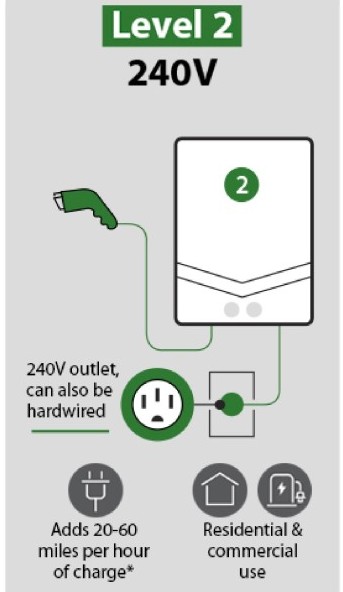
Level 1 vs Level 2 chargers offer different charging speeds and installation requirements for electric vehicles. Level 1 chargers use standard household outlets (120V) and charge slowly, adding about 3-5 miles of range per hour. Level 2 chargers require 240V outlets like those for dryers, charging 4-6 times faster at 12-30 miles per hour.
Your daily driving distance, home setup, and budget will determine which is right for you. Level 1 works for shorter commutes and overnight charging, while Level 2 is better for longer daily drives and faster charging needs.
The Basics of EV Charging Levels
Electric vehicle charging comes in different levels, much like how you might fill a water bottle at different speeds. Think of Level 1 as using a small kitchen faucet and Level 2 as using a garden hose. Both get the job done, but at different speeds. Let’s learn more about level 1 vs level 2 chargers!

What is Level 1 Charging?
Level 1 charging is the simplest way to charge your electric car. It uses a regular home outlet, the same kind you plug your phone charger into. These outlets provide 120 volts of power, which is why Level 1 is sometimes called “120V charging.”
Every electric car comes with a Level 1 charging cord in the trunk. You just plug one end into your wall outlet and the other into your car. It’s super easy! No special equipment needed.
What is Level 2 Charging?
Level 2 charging uses more powerful 240-volt outlets. These are the same kind of outlets your clothes dryer or electric oven uses. Level 2 chargers need to be purchased separately and usually cost between $300 and $700.
These chargers work much faster than Level 1 chargers. They can fill up your car’s battery overnight, even if it’s almost empty. Many public charging stations you see at shopping malls or parking garages are Level 2 chargers.
What About Level 3 Charging?
There’s also Level 3 charging (sometimes called DC Fast Charging), but we’re not focusing on that today. Level 3 chargers are the super-fast ones you find at highway rest stops. They’re very expensive and require special installation that most homes can’t support.
For home use, you’ll be choosing between Level 1 and Level 2 chargers. Let’s look at each one more closely.
Level 1 Chargers: Features and Benefits
Level 1 chargers are the simplest option for charging your electric vehicle at home. Let’s explore what makes them a good choice for some drivers.
Charging Speed and Capacity
Level 1 chargers add about 3-5 miles of driving range per hour of charging. This means if you plug in your car for 10 hours overnight, you’ll gain 30-50 miles of range by morning.
For many people who drive less than 40 miles per day, this is perfectly adequate. You can plug in when you get home from work and have enough charge for the next day’s commute by morning.
Cost Considerations
The biggest advantage of Level 1 charging is that it costs almost nothing to get started. Your car already comes with the charging cord you need, and you can use any standard outlet in your home.
There’s no installation cost, no equipment to buy, and no electrician to hire. The only cost is the small increase in your electricity bill from charging your car.
Convenience Factors
Level 1 chargers are super convenient because they work anywhere there’s a standard outlet. You can charge at home, at a friend’s house, or even at some workplaces that allow you to plug in.
They’re also portable. The charging cord is small enough to keep in your car, so you always have a way to charge in a pinch.

Who Benefits Most from Level 1 Charging?
Level 1 charging works best for:
- People who drive less than 40 miles per day
- Those who can charge overnight for 8+ hours
- Drivers of plug-in hybrid vehicles with smaller batteries
- Renters who can’t install permanent charging equipment
- People on tight budgets who want the lowest upfront cost
Level 2 Chargers: Features and Benefits
Level 2 chargers offer significantly faster charging speeds and more convenience for many EV owners. Let’s see what makes them different from Level 1 options.
Charging Speed and Capacity
Level 2 chargers add about 12-30 miles of range per hour, depending on your car model and the specific charger. This is 4-6 times faster than Level 1 charging!
With a Level 2 charger, you can fully charge most electric vehicles overnight, even from a nearly empty battery. For example, a car with 250 miles of range could go from empty to full in about 8-10 hours.
Cost Considerations
Level 2 chargers require an upfront investment. The charging unit itself typically costs between $300 and $700, depending on features like Wi-Fi connectivity, scheduling options, and weather resistance.
Installation is another cost to consider. You’ll need a 240V outlet installed by an electrician if you don’t already have one available. This can cost anywhere from $300 to $1,000 depending on your home’s electrical setup and how far the outlet needs to be from your electrical panel.
Smart Features
Many Level 2 chargers come with “smart” features that Level 1 chargers don’t offer:
- Scheduling to charge during off-peak electricity hours
- Smartphone apps to monitor charging progress
- Usage tracking to see how much electricity you’re using
- Power adjustments to charge at different speeds
- Integration with home energy systems or solar panels
Who Benefits Most from Level 2 Charging?
Level 2 charging is ideal for:
- People who drive more than 40 miles daily
- Those with pure battery electric vehicles (not hybrids)
- Drivers who sometimes need to charge quickly between trips
- Homeowners who plan to have an EV long-term
- Families with multiple electric vehicles sharing one charger
Direct Comparison: Level 1 vs. Level 2
Let’s put Level 1 and Level 2 chargers side by side to see how they stack up across different factors.
Charging Speed Comparison
| Charging Type | Miles of Range Per Hour | Time to Add 100 Miles |
|---|---|---|
| Level 1 (120V) | 3-5 miles | 20-33 hours |
| Level 2 (240V) | 12-30 miles | 3-8 hours |
The difference in charging speed is dramatic. Level 2 chargers can add range 4-6 times faster than Level 1 chargers.
Installation Requirements
Level 1 Installation:
- No installation required
- Uses existing 120V household outlets
- Plug and play with included charging cord
- Works in any location with a standard outlet
Level 2 Installation:
- Requires 240V outlet (like those for dryers)
- Professional electrician usually needed
- May require electrical panel upgrades in older homes
- Permanent installation in a fixed location
- Permits may be required depending on your location
Cost Breakdown
Level 1 Costs:
- Equipment: $0 (included with vehicle)
- Installation: $0
- Total upfront cost: $0
Level 2 Costs:
- Equipment: $300-$700
- Installation: $300-$1,000
- Possible panel upgrade: $1,000-$2,500 (if needed)
- Total upfront cost: $600-$4,200
Convenience Factors
Level 1 Convenience:
- Portable and can be used anywhere
- No scheduling needed for overnight charging
- Simple to use with no special knowledge required
- Works during power outages with a generator
Level 2 Convenience:
- Much faster charging means more flexibility
- Can “top up” quickly between trips
- Smart features for scheduling and monitoring
- Better for cold weather (charges faster in low temperatures)
- More efficient electricity usage
Which Charger is Right for Your Driving Habits?
Choosing between Level 1 and Level 2 chargers depends on your specific driving patterns and lifestyle. Let’s look at different scenarios to help you decide.
For Short Daily Commutes
If you drive less than 30-40 miles per day and can charge overnight for 8-12 hours, a Level 1 charger might be perfectly adequate. For example, if your daily commute is 20 miles round trip, a Level 1 charger can easily replenish that overnight.
Many plug-in hybrid owners also find Level 1 charging sufficient since their batteries are smaller and they have gasoline as backup.
For Longer Daily Drives
If you regularly drive more than 40-50 miles per day, a Level 2 charger becomes much more practical. With a daily commute of 60 miles, a Level 1 charger would need about 12-20 hours to replace that range – which might not be enough overnight time.
Level 2 charging becomes even more important if you sometimes need to make multiple trips in one day or don’t have a consistent 12-hour window for charging.
For Multiple Electric Vehicles
Households with more than one electric vehicle almost always benefit from Level 2 charging. With faster charging speeds, you can charge one car and then the other in a single night, which would be impossible with Level 1 charging.
Some Level 2 charging stations even allow for sharing between two vehicles, though not simultaneously at full speed.
For Apartment Dwellers and Renters
If you rent your home or live in an apartment, installing a Level 2 charger might not be possible. In these cases, Level 1 charging at home combined with public charging stations might be your best option.
Some apartment complexes are beginning to install Level 2 chargers for residents, so check if this is available to you.
Decision Checklist
Ask yourself these questions to help decide:
- Do I drive more than 40 miles most days? (If yes, consider Level 2)
- Do I sometimes need to recharge quickly between trips? (If yes, consider Level 2)
- Do I own my home and plan to stay there? (If yes, Level 2 investment makes more sense)
- Is my electrical panel able to support a 240V circuit? (If no, Level 1 might be easier)
- Do I have a plug-in hybrid with a small battery? (If yes, Level 1 might be sufficient)
- Am I on a tight budget? (If yes, start with Level 1 and upgrade later)
Installation Considerations
Before making your final decision, it’s important to understand what’s involved in setting up each type of charger.
Level 1 Installation
Level 1 charging requires almost no installation. You simply:
- Locate a standard 120V outlet near where you park
- Ensure the outlet is on a dedicated 15 or 20-amp circuit
- Check that the outlet is in good condition and properly grounded
- Plug in your car’s included charging cord
The only potential issue is if your outlet is far from your parking spot. In that case, you should never use an extension cord with an EV charger unless it’s specifically rated for this purpose.
Level 2 Installation Steps
Installing a Level 2 charger involves more work:
- Choose a Level 2 charging station that matches your car’s capabilities
- Hire a licensed electrician for installation
- Have the electrician check if your electrical panel can support a new 240V circuit
- Obtain any necessary permits (your electrician can usually handle this)
- Install a dedicated 40 or 50-amp circuit with appropriate wiring
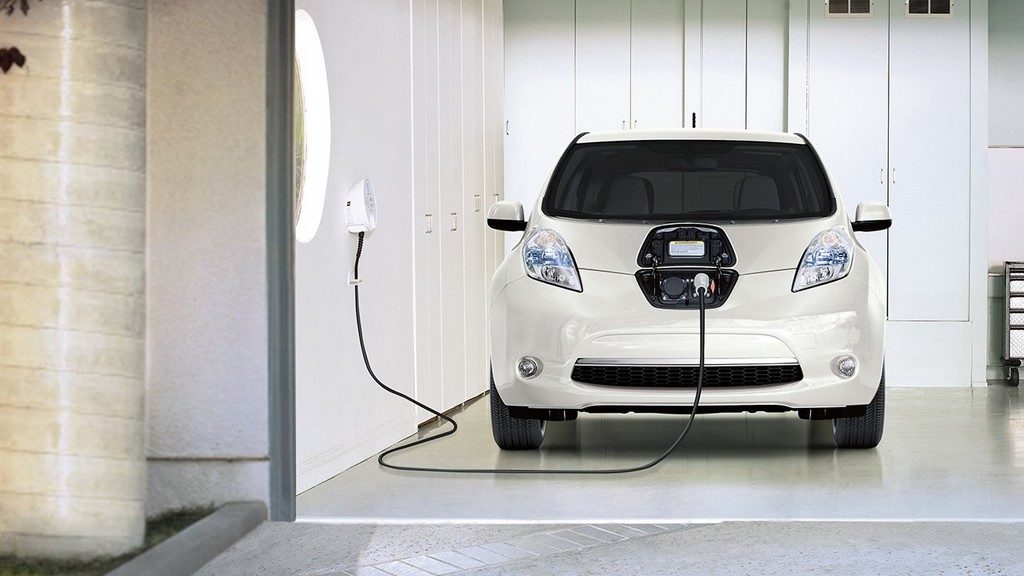
- Mount the charging station on a wall or pedestal near your parking spot
- Connect the station to the new circuit
- Have the installation inspected if required by local codes
Potential Electrical Upgrades
Some homes, especially older ones, might need electrical upgrades to support Level 2 charging:
- Panel upgrade if your current one is at capacity
- Service upgrade if your home’s electrical service is less than 200 amps
- Trenching for underground wiring if your parking spot is detached from your home
- Additional grounding systems in some cases
These upgrades can add significant cost, sometimes $1,000-$2,500 or more, to your Level 2 installation.
Rebates and Incentives
Before making your decision, check for available rebates that might offset the cost of Level 2 charging:
- Federal tax credits (currently 30% of hardware and installation costs, up to $1,000)
- State rebate programs (vary by location)
- Utility company incentives (many offer rebates or special EV charging rates)
- Manufacturer rebates (some car makers partner with charging companies)
These incentives can significantly reduce the cost difference between Level 1 and Level 2 options.

Frequently Asked Questions
Can I upgrade from Level 1 to Level 2 charging later?
Yes, absolutely! Many EV owners start with Level 1 charging and upgrade to Level 2 later when they better understand their needs. There’s no technical reason you can’t start simple and upgrade later.
Do Level 2 chargers work with all electric vehicles?
Almost all electric vehicles sold in North America use the same standard connector (called J1772) for Level 1 and Level 2 charging. Tesla vehicles come with an adapter that lets them use these standard chargers. The only exceptions are some older or rare models.
How much will my electric bill increase with EV charging?
For a typical EV driven about 1,000 miles per month, you might see your electric bill increase by $30-$60 per month. This is still much less than gasoline costs for a similar distance. Level 2 chargers are slightly more efficient than Level 1, so they might save you a small amount on electricity costs.
Can I install a Level 2 charger myself?
Unless you’re a licensed electrician, it’s not recommended. Working with 240V circuits can be dangerous, and improper installation could damage your vehicle or create fire hazards. Most localities require permits and inspections for this type of electrical work.
What if I can’t install a Level 2 charger at home?
Many people successfully own EVs without home Level 2 charging. Options include:
- Using Level 1 charging at home for overnight charging
- Using workplace charging if available
- Finding public Level 2 chargers in your neighborhood
- Using DC Fast Charging stations for occasional quick charges
Will a Level 1 charger work in cold weather?
Level 1 chargers do work in cold weather, but they’re less efficient. In very cold temperatures, some of the charging power goes to warming the battery rather than charging it. This means you might get even fewer miles of range per hour of charging in winter. Level 2 chargers perform better in cold weather because they provide more power.
Ready to Choose the Right EV Charger for Your Lifestyle?
Now that you understand the differences between Level 1 and Level 2 chargers, you can make an informed decision based on your driving habits. Remember that Level 1 chargers are perfect for shorter daily drives and minimal upfront costs, while Level 2 chargers offer much faster charging for longer commutes and busier lifestyles.
Whether you choose the simplicity of Level 1 or the speed of Level 2 charging, you’re making a great choice for both convenience and the environment by driving electric.
Ready to take the next step in your electric vehicle journey? Contact iConduit today to discuss your specific charging needs and get personalized recommendations for your home setup. We can help you navigate available rebates, find qualified installers, and choose the perfect charging solution for your driving habits.