


Table of Contents
How Generators Prevent Frozen Pipes During Winter Power Outages
Generators prevent frozen pipes by providing backup electricity to keep your heating system running during power outages. When winter storms knock out power, temperatures inside your home can quickly drop below freezing. This causes water in your pipes to freeze, expand, and potentially burst, leading to expensive water damage. A properly installed generator automatically turns on when the power goes out, keeping your heating system, thermostats, and pipe-warming systems working. This simple solution helps maintain above-freezing temperatures in your home and protects your plumbing system during the coldest months.
Let’s explore how generators can save you from the nightmare of frozen and burst pipes during winter emergencies.
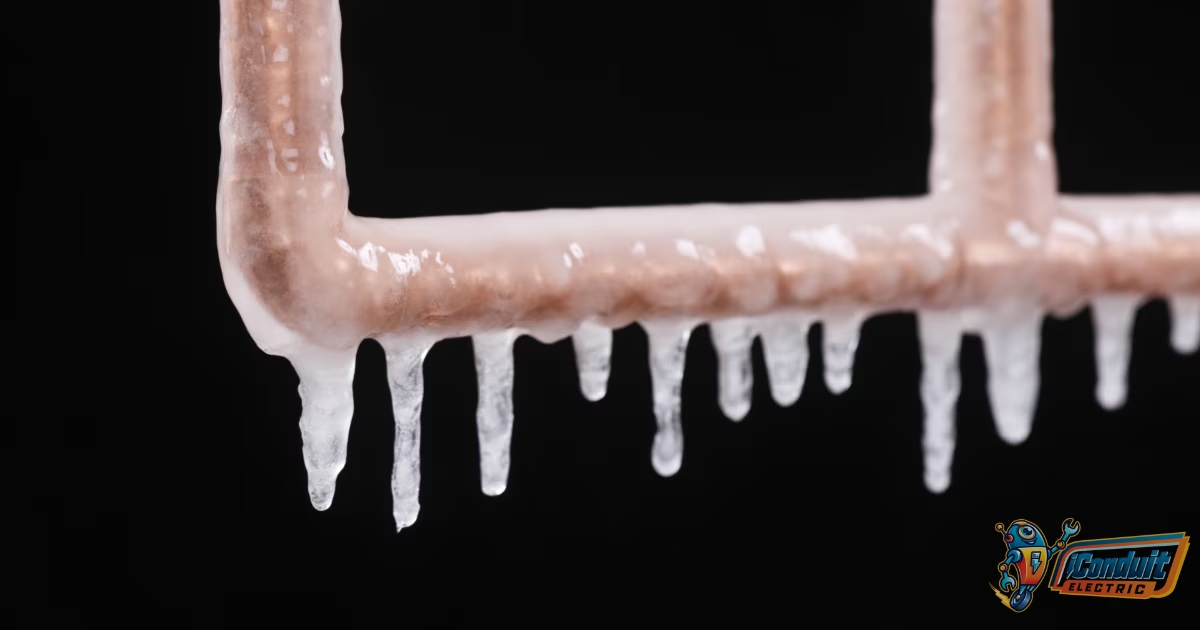
Why Pipes Freeze During Power Outages
Understanding why pipes freeze is the first step in preventing this common winter disaster. When the power goes out, several things happen that put your plumbing at risk.
First, your heating system stops working immediately. Without electricity, furnaces, heat pumps, and electric baseboards can’t produce warmth. Even gas furnaces need electricity to run their fans and control systems. Within hours, your home’s temperature can drop dramatically.
Second, water inside pipes begins to cool quickly, especially in exterior walls or unheated spaces. Water freezes at 32°F (0°C), and once it does, it expands by about 9%. This expansion creates enormous pressure inside the pipe—sometimes over 2,000 pounds per square inch! No wonder pipes burst under these conditions.
Third, without power, any electric pipe-heating systems or heat cables you’ve installed become useless. These safety measures need electricity to function, leaving your pipes completely unprotected during an outage.
The risk is highest in:
- Pipes in exterior walls
- Plumbing in unheated areas like basements, attics, and garages
- Water supply lines in crawl spaces
- Outdoor faucets and irrigation systems
Even a short power outage during extreme cold can lead to frozen pipes. Once pipes freeze and burst, the damage doesn’t show until they thaw—when water suddenly sprays everywhere. By then, it’s too late.
How Generators Keep Your Pipes Safe
Generators prevent frozen pipes by providing continuous power to critical systems in your home during outages. Here’s exactly how they protect your plumbing:
Maintaining Heat Throughout Your Home
The most important way generators prevent frozen pipes is by keeping your heating system operational. Your furnace, boiler, or heat pump needs electricity to run—even gas-powered heating systems require electric controls and blower motors. A generator ensures your heating system continues working, maintaining temperatures above freezing throughout your home.
Powering Pipe-Warming Solutions
Many homeowners use electric heat tape, heat cables, or pipe-warming systems in vulnerable areas. These devices wrap around pipes and provide gentle heat to prevent freezing. During a power outage, these protective measures stop working—unless you have a generator. Your generator will keep these specialized heating elements functioning when they’re needed most.
Running Circulation Pumps
Water that keeps moving is less likely to freeze. In many homes, circulation pumps help move water through pipes in vulnerable areas. These pumps need electricity to operate. A generator ensures these pumps continue working during an outage, keeping water flowing and reducing freeze risk.
Enabling Smart Thermostats and Monitoring Systems
Modern smart thermostats and home monitoring systems can detect temperature drops and alert you to potential freezing conditions. Some can even automatically adjust heating in different zones of your home to protect pipes. Without power, these smart systems fail. A generator keeps them operational, allowing for intelligent management of your home’s temperature during an emergency.
Types of Generators That Best Protect Against Frozen Pipes
Not all generators are equally effective at preventing frozen pipes. Here are the main types and how they can help protect your plumbing:
Standby Generators
Standby generators offer the most complete protection against frozen pipes. These permanent systems are installed outside your home and connect directly to your electrical panel. Key benefits include:
- Automatic operation: They start automatically when power fails—no need for you to be home
- Whole-house coverage: They can power your entire home or just essential circuits
- Fuel options: They run on natural gas or propane, eliminating refueling concerns
- Seamless transition: Power transfer happens in seconds, preventing even brief temperature drops
For pipe freeze prevention, standby generators are ideal because they provide uninterrupted power to heating systems, thermostats, and pipe-warming solutions without any action required from you.
Portable Generators
Portable generators can also prevent frozen pipes, though they require more hands-on management:
- Manual startup: You must be home to start them and connect them to your electrical system
- Limited capacity: They typically power only essential circuits, not your entire home
- Fuel management: They require regular refueling with gasoline
- Manual connection: They connect through a transfer switch or individual extension cords
While less convenient than standby models, portable generators can still effectively prevent frozen pipes if you’re home to operate them and have properly planned which circuits to power.
Inverter Generators
Inverter generators are a specialized type of portable generator that produces cleaner power:
- Clean power output: Safe for sensitive electronics and smart home systems
- Fuel efficiency: They adjust engine speed based on load, using less fuel
- Quieter operation: Less noisy than traditional portable generators
- Smaller capacity: Generally lower power output than standard portable models
These generators are excellent for powering smart thermostats and monitoring systems that help prevent frozen pipes, but may not have enough capacity for whole-house heating systems unless properly sized.
Setting Up Your Generator for Pipe Freeze Prevention
To effectively use a generator to prevent frozen pipes, proper setup is essential. Here’s how to ensure your generator will protect your plumbing when you need it most:
Determining Your Power Needs
First, calculate how much power you need to prevent frozen pipes. Make a list of essential items:
- Heating system (furnace fan, boiler, heat pump)
- Thermostat
- Pipe heating cables or heat tape
- Water circulation pumps
- Sump pump (if applicable)
Add up the wattage requirements for each item. For example, a typical furnace fan might need 600 watts, while heat tape might require 6 watts per foot. This total helps you select a generator with adequate capacity.
Installing a Transfer Switch
A transfer switch is crucial for safely connecting a generator to your home’s electrical system. This device:
- Prevents dangerous backfeeding into power lines
- Allows you to select which circuits to power
- Provides a safe connection point for your generator
- Complies with electrical codes and insurance requirements
For pipe freeze prevention, make sure your transfer switch includes circuits for heating systems and any pipe-warming devices. A professional electrician should install this component.
Automatic vs. Manual Operation
Consider how your generator will start during an outage:
Automatic operation: Standby generators start automatically when power fails, providing immediate protection for your pipes even when you’re away from home. The generator monitors utility power and transfers your home to generator power within seconds of detecting an outage.
Manual operation: Portable generators require you to:
- Recognize the power is out
- Move the generator to a safe outdoor location
- Start the generator manually
- Connect it to your transfer switch
- Switch selected circuits to generator power
If you’re using a portable generator for pipe freeze protection, create a clear plan for quick deployment during winter outages.
Fuel Considerations for Winter Operation
Generators need fuel to run, and winter conditions create special challenges:
- Natural gas: Most reliable in winter but requires a permanent gas line
- Propane: Works well in cold weather but tank levels must be monitored
- Gasoline: Requires storage and can be difficult to obtain during storms
- Diesel: Can gel in extreme cold unless winter-grade fuel is used
For reliable pipe freeze protection, ensure adequate fuel supply for at least 72 hours of generator operation during the coldest weather.
Additional Ways to Prevent Frozen Pipes During Outages
While generators provide the most reliable protection against frozen pipes during power outages, combining them with other preventive measures creates the best defense. Here are additional strategies to use alongside your generator:
Insulation Strategies
Proper insulation slows heat loss, giving your generator-powered heating system a better chance of preventing freezing:
- Pipe insulation: Foam pipe sleeves or fiberglass wrap on vulnerable pipes
- Wall insulation: Proper insulation in exterior walls containing plumbing
- Seal gaps: Caulk or foam around places where pipes enter your home
- Insulate access points: Add insulation to crawl space doors and attic hatches
Even with a generator, good insulation reduces the power needed to keep pipes from freezing, extending your generator’s fuel supply during long outages.
Water Management Techniques
How you manage water in your plumbing system can provide additional protection:
- Drip faucets: Allowing faucets to drip slightly keeps water moving and releases pressure
- Open cabinet doors: Allows warmer air to reach pipes under sinks
- Maintain consistent temperature: Keep thermostat at same temperature day and night
- Drain outdoor systems: Empty swimming pool lines, sprinkler systems, and outdoor faucets before winter
These techniques complement your generator’s protection by reducing freeze risk and pressure buildup.
Emergency Measures When Generator Fails
Even with a generator, it’s wise to have backup plans:
- Shut off water main: If your generator fails, turning off the main water supply and draining pipes can prevent damage
- Alternative heat sources: Non-electric space heaters (with proper safety precautions) can warm critical areas
- Temperature monitoring: Battery-powered thermometers in vulnerable areas alert you to dangerous temperature drops
- Evacuation plan: Know when to leave your home if safe temperatures cannot be maintained
Remember that generators need maintenance too. Regular testing and servicing ensure your generator will work when you need it most to prevent frozen pipes.
Frequently Asked Questions About Generators and Frozen Pipes
What size generator do I need to prevent frozen pipes?
To prevent frozen pipes, you need a generator that can power your home’s heating system and any pipe-warming devices. For most homes, this means at least a 5,000-7,500 watt generator. Larger homes with electric heat pumps or multiple heating zones may need 10,000-20,000 watts. The exact size depends on your specific heating system and which other appliances you want to run during an outage.
Can a portable generator keep my pipes from freezing if I’m not home?
No, portable generators cannot prevent frozen pipes when you’re away from home. They require manual starting and connection to your electrical system. If you’re concerned about pipe freezing during your absence, a permanent standby generator with automatic operation is the better choice. These systems start automatically when power fails, even if you’re not there.
How long will my generator run on a tank of fuel?
Run time varies by generator type and load. At 50% load (typical for heating systems):
– Portable gasoline generators: 8-12 hours per tank
– Propane standby generators: 1-3 days on a standard 250-gallon tank
– Natural gas standby generators: Continuous operation as long as gas service continues
For winter power outages, plan for at least 72 hours of operation without refueling.
Will my generator start in very cold weather?
Most quality generators are designed to start in cold weather, but extreme temperatures can cause problems. Standby generators typically include battery warmers and block heaters for reliable winter starting. For portable generators, store them in a garage or shed (but operate them outside), use fresh fuel, and consider cold-weather starting aids. Some models struggle below 0°F (-18°C) without special preparation.
Is it worth getting a generator just for pipe freeze protection?
Yes, a generator is worth the investment for pipe freeze protection alone. The average cost of water damage from a single burst pipe ranges from $5,000 to $15,000—often with additional costs from mold remediation and temporary housing. Most generators cost between $1,000 and $10,000 installed, making them significantly less expensive than repairing water damage. Plus, generators provide many other benefits during power outages beyond pipe protection.
Protecting Your Home with Generator Power This Winter
Generators prevent frozen pipes by ensuring your home stays warm during winter power outages. This simple solution can save you thousands of dollars in potential water damage repairs and the headache of dealing with burst pipes. As extreme weather events become more common, having backup power isn’t just a convenience—it’s essential protection for your home’s plumbing system.
When selecting a generator for pipe freeze protection, consider your specific needs. Standby generators offer the most complete protection with automatic operation, while portable models provide a more affordable option if you’re typically home during winter storms. Whichever type you choose, proper sizing and installation are crucial for effective pipe protection.
Remember that generators work best as part of a comprehensive winter preparedness strategy. Combine your generator with good insulation, smart water management, and emergency backup plans for the best protection against frozen pipes.
Don’t wait until the forecast calls for extreme cold to think about pipe protection. Contact iConduit Electric today to discuss generator options for your home. Our experts can help you select, install, and maintain the right generator system to keep your pipes safe all winter long. Schedule your consultation now and enjoy peace of mind knowing your home is protected from frozen pipe disasters.