


Table of Contents
Understanding Spring Thaw Electrical Risks
Spring thaw brings unique challenges to your home’s electrical system preparation that many homeowners overlook. As temperatures rise and snow melts, water can infiltrate electrical systems and create hazardous conditions. Moisture is electricity’s enemy, potentially causing shorts, trips, equipment damage, and even dangerous electrical fires.
The transition from winter to spring is when your electrical system faces its greatest vulnerability. Proper electrical system preparation now can prevent costly repairs later and ensure your family’s comfort and safety throughout the changing seasons. This is especially important for homes with older electrical systems or those in areas prone to flooding during spring thaw.

According to the Electrical Safety Foundation International, electrical failures or malfunctions cause nearly 51,000 home fires annually, resulting in hundreds of deaths and significant property damage. Many of these incidents occur during seasonal transitions when systems are under stress.
Pre-Spring Electrical System Inspection
A thorough inspection forms the foundation of proper electrical system preparation before spring arrives in full force. Begin by examining your electrical panel for signs of moisture, rust, or corrosion that might have developed during winter. Check that all circuit breakers move freely and that none are warm to the touch.
Next, inspect visible wiring throughout your home, particularly in basements, crawl spaces, and attics where temperature fluctuations are most extreme. Look for cracked insulation, exposed wires, or rodent damage that might have occurred during winter months when pests seek shelter indoors.
Test all GFCI (Ground Fault Circuit Interrupter) outlets, especially those in potentially damp areas like bathrooms, kitchens, and outdoor locations. These specialized outlets are designed to protect against electrical shock and should be functioning properly as part of your electrical system preparation routine. Simply press the “test” button – the outlet should click off, then press “reset” to restore power.
Essential Outdoor Electrical Preparations
Outdoor electrical components require special attention during spring electrical system preparation. Inspect all outdoor outlets, ensuring they have proper weatherproof covers intact and functioning correctly. These covers are your first line of defense against moisture infiltration during spring rains.
Check exterior lighting fixtures for water damage, corroded connections, or loose parts. Clear away any debris that may have accumulated around outdoor electrical equipment during winter. This includes removing leaves, branches, or other materials that could trap moisture against electrical components.

Power lines and service entrances deserve careful consideration in your electrical system preparation plan. Look for damaged or sagging overhead wires, particularly if winter brought heavy snow or ice to your area. If you notice any issues with utility-owned equipment, contact your electric provider immediately rather than attempting repairs yourself. According to the Consumer Product Safety Commission, contact with power lines causes hundreds of fatalities annually.
Protecting Indoor Electrical Systems
Indoor electrical systems need attention during your spring electrical system preparation process too. Start by examining areas prone to seasonal moisture problems, such as basements, utility rooms, and spaces below bathrooms or kitchens. Look for water stains, mold, or mildew that might indicate moisture issues near electrical outlets or fixtures.
Consider installing dehumidifiers in damp areas as part of your electrical system preparation strategy. Controlling indoor humidity not only protects electrical components but also improves overall air quality and comfort. Modern energy-efficient models can maintain optimal humidity levels while minimizing energy consumption.
Surge protection becomes increasingly important during spring’s unpredictable weather patterns. Install quality surge protectors for sensitive electronics and consider whole-house surge protection as part of your comprehensive electrical system preparation. According to the Lightning Protection Institute, lightning strikes cause substantial damage to homes and electrical systems annually, with spring being a peak season for such events.
Smart Home Technology for Electrical System Monitoring
Modern smart home technology offers powerful tools for electrical system preparation and monitoring. Consider installing smart circuit breakers or plug-in monitors that can alert you to unusual power consumption patterns or potential problems. These devices can detect issues before they become serious hazards.
Smart thermostats contribute to electrical system health by preventing overloading during seasonal transitions. They adapt to changing weather conditions, optimizing HVAC operation without stressing electrical systems. Many models also provide energy usage reports, helping you identify potential electrical inefficiencies as part of your electrical system preparation.

Water sensors placed in flood-prone areas can provide early warning of conditions that might threaten electrical systems. When placed near sump pumps, water heaters, or basement outlets, these inexpensive devices offer valuable protection. Some advanced models can even automatically shut off water or power when leaks are detected, providing comprehensive protection as part of your electrical system preparation strategy.
Energy Efficiency Considerations
Spring is the perfect time to evaluate your home’s electrical efficiency as part of your electrical system preparation process. Replace old incandescent bulbs with energy-efficient LED alternatives throughout your home. This simple upgrade reduces electrical load and heat generation while improving lighting quality.
Consider scheduling a professional energy audit to identify electrical inefficiencies and safety concerns. Experts can use thermal imaging to detect hot spots in wiring, overloaded circuits, or inadequate insulation affecting your electrical systems. According to the U.S. Department of Energy, professional energy assessments can significantly improve your home’s electrical efficiency and safety.
- Upgrading to ENERGY STAR appliances can significantly reduce electrical demands.
- Sealing air leaks around outlets and switches prevents moisture infiltration and improves efficiency.
- Installing ceiling fans helps distribute air more efficiently, reducing HVAC electrical loads.
When to Call a Professional
While homeowners can handle many aspects of electrical system preparation, some situations require professional expertise. If you notice frequent circuit breaker trips, flickering lights, buzzing sounds, or warm outlets, these are warning signs that shouldn’t be ignored. These symptoms often indicate underlying issues that could worsen with spring’s temperature and humidity changes.
Homes over 25 years old with original electrical systems should receive professional inspection before spring. Older electrical panels, particularly certain brands known for safety issues, may not meet current standards and could pose serious risks. Professional electricians can identify outdated components and recommend appropriate upgrades.
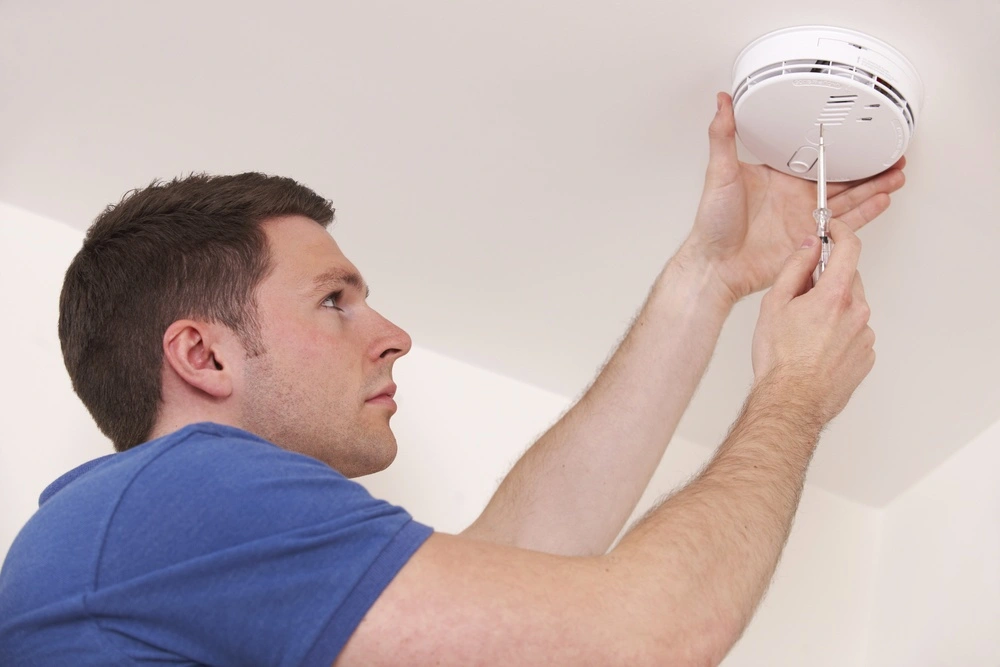
Planning spring renovations or adding new electrical loads? Professional consultation should be part of your electrical system preparation. Adding air conditioning, hot tubs, or workshop equipment creates significant new demands on your electrical system. A qualified electrician can ensure your system can handle these additions safely and efficiently.
Spring Electrical Maintenance Checklist
A comprehensive electrical system preparation checklist helps ensure nothing is overlooked during your spring maintenance. Use this checklist to methodically address potential issues before they become problems:
Safety Equipment:
- Test smoke detectors and carbon monoxide alarms, replacing batteries as needed.
- Verify fire extinguishers are charged and accessible.
- Ensure everyone in the household knows the location of your main electrical shutoff.
Indoor Electrical Checks:
- Inspect outlets and switches for discoloration, warmth, or buzzing.
- Test all GFCI outlets throughout the home.
- Check for overloaded outlets and power strips.
- Examine electrical cords for damage or wear.
Outdoor Electrical Safety:
- Confirm weatherproof covers on outdoor outlets are intact.
- Inspect exterior lighting for damage or water infiltration.
- Clear vegetation from around outdoor electrical equipment.
- Check for damaged or exposed wiring around the home’s exterior.
Frequently Asked Questions
How often should I conduct electrical system preparation for seasonal changes?
A thorough inspection should be performed at least twice yearly – before winter and before spring thaw. Monthly visual checks of key components provide additional safety.
Can moisture from spring thaw really damage my electrical system?
Absolutely. Moisture is one of the greatest threats to electrical systems, causing corrosion, shorts, and creating shock hazards. Proper electrical system preparation helps mitigate these risks.
Is it worth upgrading to a smart electrical panel as part of my electrical system preparation?
Smart panels offer significant advantages, including remote monitoring, circuit-specific energy usage data, and automatic shutoff capabilities. For homes with older electrical systems or families concerned about energy efficiency, the investment often proves worthwhile.
How can I tell if my home’s electrical system is adequately prepared for spring power surges?
Without specialized equipment, it’s difficult for homeowners to fully assess surge protection. A professional electrician can evaluate your current protection and recommend appropriate upgrades as part of your electrical system preparation.
Conclusion
Thorough electrical system preparation for spring thaw protects your home, family, and valuable electronics from preventable damage. By implementing these recommended maintenance steps, you’re not just avoiding costly repairs – you’re investing in your home’s safety and efficiency for years to come.
Don’t wait until problems arise to address your electrical system’s health. iConduit Electric’s team of certified professionals can provide comprehensive inspection services to ensure your home is fully prepared for spring’s unique challenges. Contact us today to schedule your pre-spring electrical system assessment and enjoy peace of mind throughout the changing seasons.