


Ensure Electrical Safety
Winter’s chill brings cozy nights and festive gatherings. But it also increases demand on your home’s electrical system. This can lead to electrical circuit overloads, a common winter electrical hazard. Let’s explore how to avoid circuit overloads during winter, keeping your home safe and warm.
This isn’t just about preventing a tripped circuit breaker. It’s about preventing electrical fires and damage to appliances. So, let’s learn how to avoid circuit overloads this winter and ensure your electrical wiring is ready.
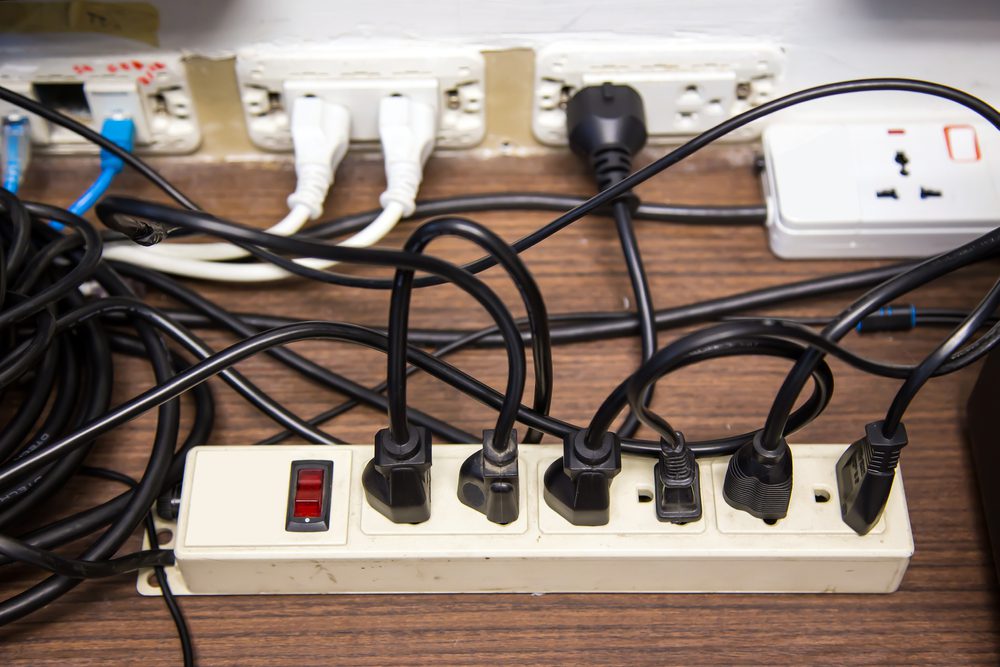
Understanding Circuit Overloads
A circuit overload occurs when you draw excessive current, exceeding what the electrical circuit can handle. It’s like trying to force a gallon of water into a pint-sized glass – it won’t work and may cause electrical issues.
Why Winter Is a Prime Time for Overloads
We use electric heaters, heat pumps, and holiday decorations during colder months. This increases power demand significantly, especially with house guests using additional devices.
This extra strain on your circuits increases the risk of overload. You could experience a power outage or even worse, an electrical fire.
Signs of an Overloaded Circuit
Several signs indicate an overloaded circuit. Flickering or dimming lights, especially when other appliances are running, are common indicators of an electrical overload.
If your outlets or switches feel warm, this suggests an overloaded electrical circuit. Frequent circuit breaker trips are a major red flag.
A burning odor signals a serious electrical hazard, possibly related to overheating wires. Immediately unplug anything connected to the affected outlet and call an electrical repair professional if the burning smell persists. Don’t hesitate to contact a professional; electrical safety is paramount.
How to Avoid Circuit Overloads During Winter
Let’s discuss how to prevent electrical overload this winter. These simple steps can make all the difference in keeping your holidays safe and enjoyable.
Distribute the Load
Avoid plugging too many devices into a single circuit, especially high-wattage appliances. Distribute the load by plugging devices into outlets on different circuits to avoid excessive current on one circuit.
For example, if your holiday tree, space heater, and kitchen appliances are on the same circuit, try moving some to other outlets. Overloading electrical circuits can lead to frequent circuit breaker trips.
Unplug Unused Devices
Even when turned off, electronics draw a small amount of power (“phantom load”). This includes computers, TVs, and chargers. Unplug unused devices to reduce the load on your circuits and lower your energy bill.
Use Energy-Efficient Appliances
Energy-efficient appliances use less power than older models. Switching to LED lights and other low-wattage devices can help you avoid circuit overloads during winter while saving money on your electricity bill. Consider investing in energy-efficient heating services and air conditioning services as well.
Invest in Power Strips
Power strips with surge protection can safeguard your electronics from power surges. Replace these every two years as their effectiveness diminishes. Consider whole-home surge protection as well.
Check Your Wiring
Older homes may have outdated wiring that cannot handle modern electrical demands. Consult a licensed electrician for an electrical inspection and potential upgrades.
Inspect Cords and Outlets
Regularly inspect electrical cords and outlets for damage. Replace frayed cords and cracked outlets immediately to prevent electrical hazards and potential fires.
Damaged insulation on cords can cause overheating and pose a fire risk. Don’t underestimate the importance of this simple check; it can help you avoid serious electrical issues.
Space Heater Safety
Space heaters are a common cause of winter house fires. Keep them away from flammable materials like curtains, bedding, and wrapping paper.
Never leave space heaters unattended. Turn them off when leaving the room. Be mindful of placement; avoid areas where the heater could overheat nearby wiring.
Remember, materials closer to the heating coils combust faster. Different materials have different ignition temperatures depending on thickness, length, type, and distance from the heat source. This is a crucial tip for avoiding winter electrical hazards.
Call a Professional
If you’re experiencing frequent circuit breaker trips or other electrical issues despite your efforts, consult a qualified electrician. They can diagnose the problem, recommend solutions, and perform necessary repairs or upgrades to ensure your electrical system is safe and up to code.
Don’t attempt complex electrical repairs yourself. A licensed professional can address concerns, diagnose electrical problems, and provide effective electrical solutions. Their expertise can ensure your home’s electrical system is safe and efficient.
Conclusion
As you prepare for winter, remember these essential tips to avoid circuit overloads. By prioritizing electrical safety and energy efficiency, you can keep your home warm and hazard-free. Be mindful of these tips to ensure your electrical system can handle the increased demands of winter weather.
Being informed about common electrical hazards and how to prevent potential electrical overloads makes all the difference in staying safe and comfortable during the colder months. This winter, enjoy the warmth and festivities while keeping electrical safety top of mind. You can now confidently navigate the complexities of winter electricity usage.
Contact us today for more information or to schedule a free consultation.