


A Complete Guide to Winter Smoke Detection
As the leaves change and temperatures drop, we look forward to cozy evenings at home. However, winter brings an increased risk of house fires. Before you get too comfortable, add smoke detector checks to your winter safety checklist. These often-overlooked devices can be lifesavers, so prioritizing smoke detector checks for winter safety is essential.

Why Winter Means Increased Fire Risk
Winter presents specific fire hazards. Heating systems, sometimes unused for months, get switched on, potentially revealing dangerous problems. The holiday season also introduces risks like faulty wiring in decorations and unattended cooking, as highlighted by the U.S. Consumer Product Safety Commission.
The Importance of Smoke Detector Checks for Winter Safety
Early Detection
Working smoke detectors provide crucial early warnings. In a fire, seconds matter. These alarms give you precious time to escape.
Round-the-Clock Vigilance
Smoke detectors work 24/7, even while you sleep. This adds a vital layer of protection, especially during the night. The National Fire Protection Association (NFPA) confirms that functioning smoke detectors greatly improve fire survival rates.
Smoke Detector Checks for Winter Safety
Testing Your Detectors
Press the test button on your smoke detectors. A loud beep signals proper function. A chirping sound usually indicates low batteries that need replacing.
Different smoke detectors exist, each with a specific lifespan, as explained by First Alert. Ionization alarms detect fast-flaming fires, while photoelectric alarms are better for smoldering fires.
Last winter, my family experienced a carbon monoxide incident from our heating system. It wasn’t visible, but flu-like symptoms alerted us. Thankfully, our CO alarm helped us address the issue early. This experience highlighted winter’s hidden dangers.
Inspect and Clean
Check your detectors for dust buildup, which can block sensors. Cleaning ensures effective operation. Also, look for any physical damage, such as cracks or discoloration.

Placement of Smoke Detectors: Strategic Positioning Matters
Testing ensures your alarms work, but correct placement is crucial for optimal performance. Consider strategic locations for maximum coverage. Don’t just tuck them away as an afterthought.
Proper placement is essential for rapid warnings.
Recommended placements:
- Inside and outside each sleeping area.
- On every level of your home, including the basement.
- Near the kitchen, but away from the stove to prevent false alarms.
Consult your local fire codes for specific requirements. Some areas require detectors in hallways and living rooms. Strategic placement enhances safety, particularly during the winter months, improving reaction time to potential hazards. Proper placement improves reaction time.
Create and Practice an Escape Plan
Checking detectors is vital for winter safety, but creating an escape plan is equally important. Knowing what to do in a fire can save lives, especially during high-stress situations. Create an escape plan with your family today.
Key Elements of an Escape Plan:
- Designated Meeting Spot: Choose a safe location outside your home where everyone gathers after escaping. This helps account for all family members quickly. Make it a visible landmark, easy to find from any exit.
- Multiple Exit Routes: Plan at least two escape routes from every room. If one exit is blocked by fire, having alternatives is essential. Knowing a secondary escape route enhances safety.
- Practice Makes Perfect: Don’t wait for a real fire to test your plan. Regular practice, like fire drills, helps everyone react quickly under pressure. Rehearse your escape routes so each family member knows what to do. This creates almost instinctive responses, vital in emergencies when panic can set in. Practice helps ensure a swift exit and safe arrival at the designated meeting point.
Carbon Monoxide: The Silent Winter Threat
Carbon monoxide is a serious winter hazard. This colorless, odorless gas is produced by burning fuel, making gas appliances a potential risk. CO can build up in homes without warning. Ensure your smoke detectors checks are completed during the winter.
Protecting Your Family From Carbon Monoxide
Install carbon monoxide detectors on every level of your home. These devices provide early warnings against this dangerous gas. Test them monthly and replace batteries annually or when chirping.
This is especially important in winter with increased use of fuel-burning appliances. Furnaces, fireplaces, and portable heaters can cause CO buildup if not working properly. Just like checking tire pressure or coolant fluids, CO monitors can prevent potentially fatal incidents.
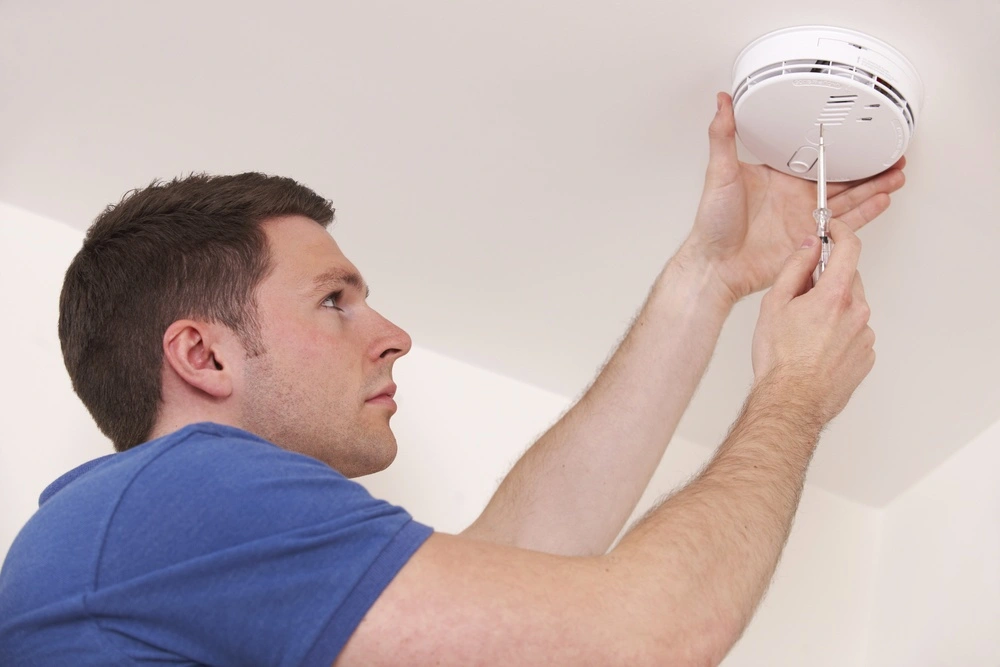
Proactive checks protect your health and well-being, prioritizing safety over potential property damage. Regular maintenance and proactive changes help avoid disasters and ensure family safety.
A Holistic Approach to Winter Safety
Winter presents unique threats. Regular alarm checks help prevent incidents, considering the added dangers. Maintaining smoke and carbon monoxide detectors is vital. Having a well-practiced emergency plan is equally important.
Staying safe and warm requires a holistic approach. Consider your physical, emotional, and social well-being. Prepare your environment to protect yourself from winter’s elements and enjoy a cozy season with peace of mind.
During the winter months, you need to remember escape ladders, open windows, and keeping doors open if the alarm sounds.
Conclusion
Proactive measures like smoke detector checks, carbon monoxide monitoring, and a solid escape plan create a safety net for your home. This allows for a stress-free and enjoyable holiday season. Don’t just mark these tasks as done; prepare wisely before winter sets in.
Smoke detector checks for winter safety are not merely a chore. They’re an investment in peace of mind for you and your family. Install smoke alarms and interconnected alarms throughout your home, replace smoke alarms every ten years, and replace batteries at least once per year or if they begin chirping.
Contact us today for more information or to schedule a free consultation.