


Outdoor electrical wiring maintenance often feels like a distant worry. But much like a creaky swing set or a loose deck board, ignoring it can lead to bigger headaches.
This guide tackles everything from simple checks to pro-level tips, ensuring you’re prepared to handle any electrical quirk your yard throws your way. Proper outdoor electrical wiring maintenance safeguards your home, family, and those summer evening barbecues. It’s peace of mind.
Understanding Your Outdoor Electrical System
Before diving into maintenance, familiarize yourself with your outdoor electrical setup. Different components require different care. From outlets and light fixtures to ground fault circuit interrupters (GFCIs) and weatherproof covers, knowing what to expect is helpful. It’s about understanding each part of your exterior electrical equipment.

Key Components and Their Roles
Your outdoor electrical setup is a system with different parts working together. Weatherproof electrical boxes protect against water, dust, and critters. Wires with UV degradation resistance prevent sun damage. For underground lines, UF (Underground Feeder) cables provide durability. THWN (Thermoplastic Heat and Water-Resistant Nylon) wire is perfect for wet locations because it is nylon-coated for heat and water resistance.
Outdoor-rated extension cords are essential for safe outdoor electricity usage. These cords are specifically made for outdoor use. They allow you to power equipment far from exterior electrical outlets.
Essential Outdoor Electrical Wiring Maintenance
Like anything else, your outdoor electrical system thrives on regular care. Seasonal outdoor electrical wiring maintenance is important for homeowners. You don’t need to be a certified electrician, though some tasks are best left to the professionals.
Regular Inspections: Your First Line of Defense
Before winter or after a natural disaster, it’s crucial to unplug electronic devices, especially during high winds. Power companies often advise shutting down equipment during severe weather to prevent electrical surges and protect the power grid. This proactive step is part of maintaining electrical safety during extreme conditions.
Regularly inspecting your property for potential hazards—such as cracked outlets, damaged cords, or moisture near electrical components—can help prevent larger issues. Addressing minor concerns early improves overall safety and reduces the risk of costly repairs.
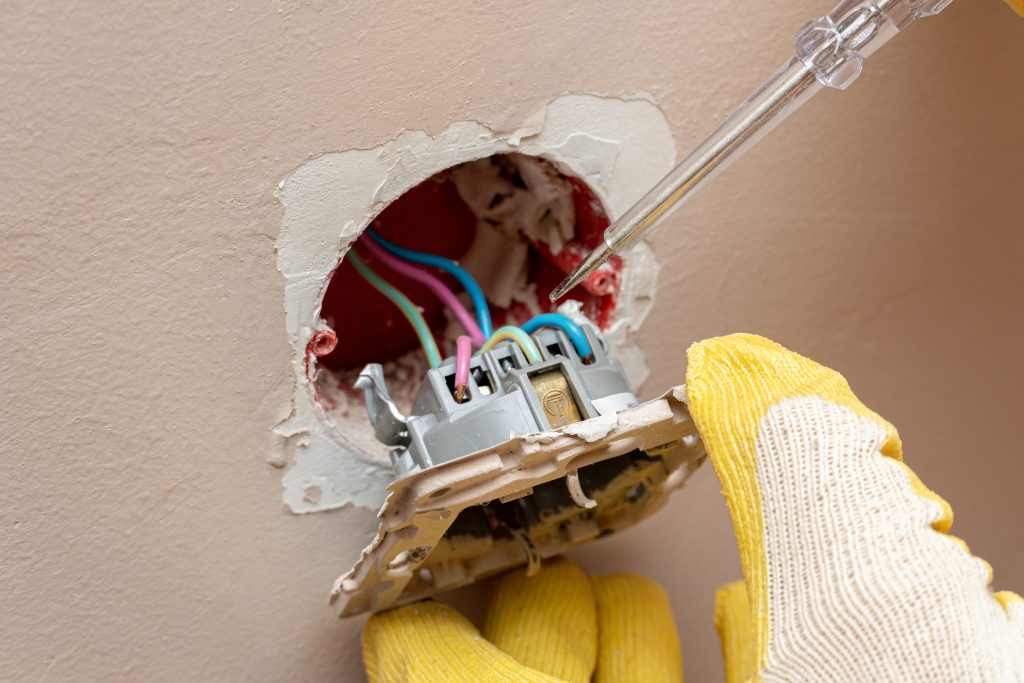
For added peace of mind, scheduling annual or quarterly electrical inspections with a licensed professional is a smart way to ensure your system remains in top condition. We provide thorough electrical inspections, identifying and resolving potential risks before they become major problems. Reach out to our team for expert guidance and reliable service.
Weatherproofing: Shielding Your System from the Elements
Protecting outdoor electrical wiring from harsh weather, especially in coastal areas, is crucial. Salt air, extreme temperatures, and natural disasters can damage outdoor lights. Proper protection can significantly affect performance.
Weatherproof covers for outlets shield against rain and snow. Ground fault circuit interrupters (GFCIs) quickly trip the circuit if something wet touches it, preventing electric shock. These are important for electrical safety tips.
Cleaning and Maintenance: Keeping Things Running Smoothly
Dust and debris can interfere with your outdoor electrical systems. Regularly wipe down outlets and connections with a dry cloth. Clean any corrosion on metal fittings and trim overhanging branches around electrical boxes. These simple cleaning fixtures will improve the performance of your exterior electrical system.

Troubleshooting Common Outdoor Electrical Issues
Even with regular maintenance, issues can still arise, especially after disasters like fires following a hurricane. Older homes, particularly those over 25 years old, are susceptible to problems if proper maintenance isn’t followed.
Identifying and Addressing Electrical Gremlins
| Problem | Possible Causes | Solution |
|---|---|---|
| Flickering Lights | Loose bulb, faulty wiring, voltage drop | Check connections, replace the bulb, or consult a handyman. Sometimes a loose bulb can be an easy fix if the socket isn’t damaged. |
| Tripping Breakers | Overloaded circuit, short circuit, or ground fault | Check the circuit load and rearrange if needed. If wiring is damaged, consult a professional electrician to identify the issue. |
| Non-Working Outlets | Tripped GFCI, blown fuse, loose wiring, faulty voltage-triggered power switches | Reset the outlet, replace the fuse, or call a professional. Overloading circuits, especially in older homes with aging wiring, can cause voltage damage. Heavy rain and tree root disruption can further exacerbate these problems. Use proper protection when installing outdoor electrical outlets such as the correct gauge wire. 14-gauge, 12-gauge, or 10-gauge wire for longer distances offer better performance. Consult resources like online forums and professional electricians for guidance. |
Conclusion
Outdoor electrical wiring maintenance isn’t about becoming an electrician; it’s about small, consistent efforts. Regular inspections, weatherproofing, and knowing when to call professionals to ensure safe outdoor spaces. Maintaining safety is key. By following these safety tips and performing regular electrical maintenance checks, you can identify issues, protect electrical components, and ensure safe outdoor electrical usage.
Contact us today for more information or to schedule a free consultation.