


Table of Contents
Understanding Your Sump Pump System
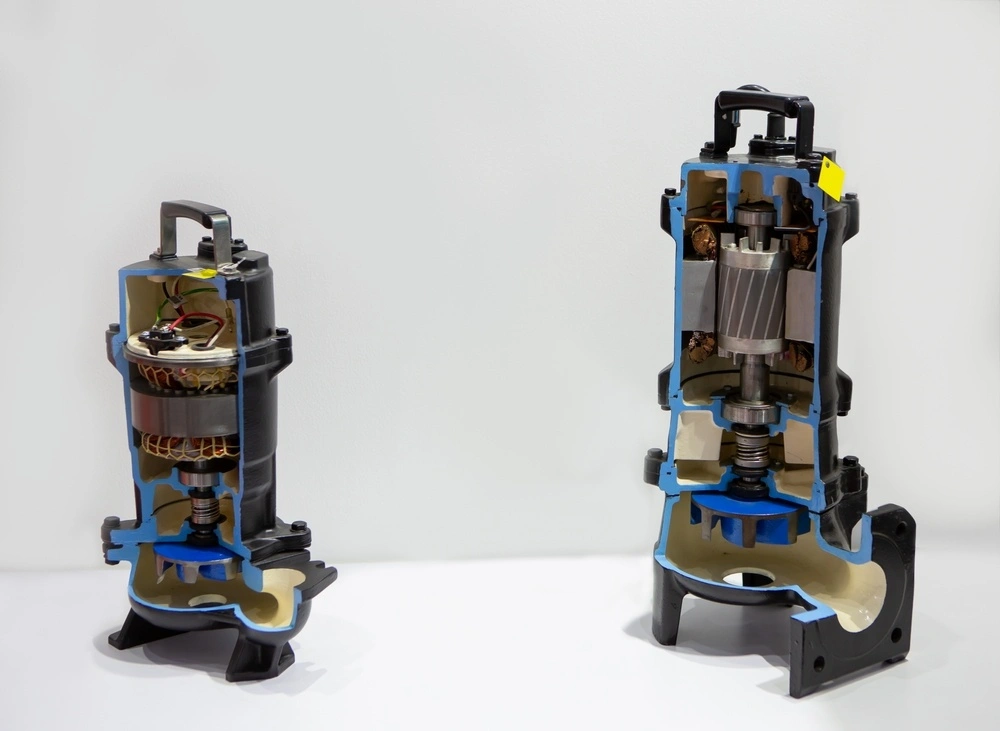
A properly functioning sump pump is your home’s first line of defense against basement flooding and water damage. These devices work by collecting groundwater in a sump pit and pumping it away from your foundation, preventing costly water damage. Most residential sump pumps run on standard 120-volt electricity and include components like a float switch, check valve, and discharge pipe.
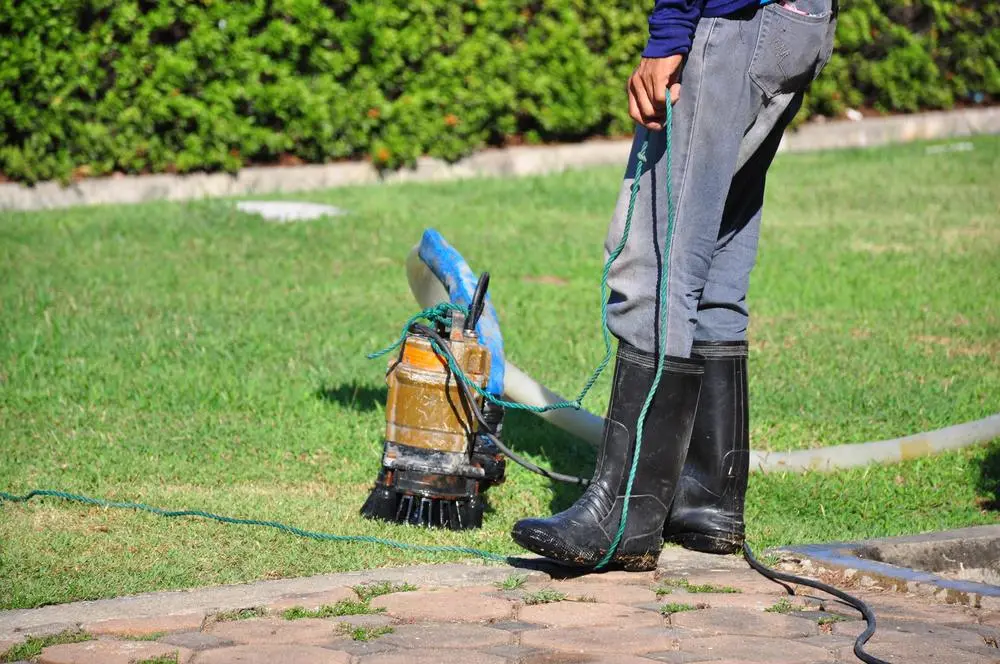
Understanding how your specific model works is crucial for effective sump pump maintenance. The two main types you’ll encounter are submersible pumps (which operate while completely underwater) and pedestal pumps (where the motor sits above the water). Each type requires slightly different maintenance approaches, but both depend on reliable electrical connections to function properly when you need them most.
Why Proper Sump Pump Maintenance Matters
Neglecting sump pump maintenance can lead to system failures exactly when you need protection most—during heavy rains or spring thaws. Regular maintenance extends your pump’s lifespan, preventing premature replacement needs. More importantly, it protects your home from catastrophic water damage that can result in extensive repairs.
For busy homeowners, establishing a consistent maintenance schedule prevents the much larger time commitment of dealing with a flooded basement. According to the American Society of Home Inspectors, more than 60% of American homes experience below-ground wetness or flooding. With climate change increasing the frequency of extreme weather events, your sump pump’s reliability has never been more important.
Your family’s comfort and health also depend on a dry basement environment, as moisture problems can lead to mold growth and poor indoor air quality. Regular sump pump maintenance ensures your system will perform when you need it most, providing peace of mind during severe weather events.
Essential Electrical Components of Your Sump Pump
The electrical system is the heart of your sump pump operation, comprising several key components that require regular inspection:
Power Supply and Cord:
- Check for fraying, cracks, or damage to the power cord.
- Ensure the cord is properly grounded with a three-prong plug.
- Verify the outlet providing power is a GFCI (Ground Fault Circuit Interrupter) protected outlet.
Float Switch and Motor:
- The float switch activates your pump when water reaches a certain level.
- Test by manually lifting the float to ensure the pump activates.
- Listen for unusual noises from the motor that might indicate bearing wear or electrical problems.
Many electrical issues develop gradually, giving attentive homeowners time to address problems before complete failure occurs. Data shows that over 18% of sump pump failures are attributed to power outages, while another 12% result from switch problems or stuck floats. Regular inspection of these components is essential for reliable sump pump maintenance.
Seasonal Sump Pump Maintenance Checklist
Spring Maintenance (March-May)
- Clean the sump pit by removing debris and silt that can clog the pump.
- Check and clean the discharge pipe to ensure it’s free from blockages before heavy spring rains.
- Test the float switch by pouring water into the pit and observing a complete pump cycle.
Summer Maintenance (June-August)
- Inspect the GFCI outlet and reset if necessary.
- Check for excessive vibration when the pump runs, which may indicate electrical or mechanical issues.
- Ensure the check valve is functioning properly to prevent water backflow.
Fall Maintenance (September-November)
- Verify the pump’s amperage draw using a clamp meter if you have one (or schedule a professional check).
- Clean all vents and air holes on the pump housing.
- Test the backup power system before winter storms.
Winter Maintenance (December-February)
- Check that the discharge pipe is free from ice buildup that could cause backflow.
- Listen for unusual noises that might indicate electrical problems.
- Ensure the pit cover is secure but vented appropriately.
Performing these quarterly checks takes just 15-20 minutes but dramatically improves your sump pump’s reliability through consistent sump pump maintenance. According to the Federal Emergency Management Agency, even a small amount of floodwater can cause significant damage to your home, making this time investment extremely worthwhile.
Common Electrical Issues and Troubleshooting
Identifying electrical problems early can prevent complete system failure. Here are signs to watch for and initial troubleshooting steps:
Pump Won’t Turn On:
- Check if the pump is properly plugged in and the circuit breaker hasn’t tripped.
- Test the outlet with another device to confirm power supply.
- Gently tap the float switch as it may be stuck.
Pump Runs Continuously:
- The float switch may be stuck in the “on” position.
- Check if the discharge pipe is blocked or frozen, causing water to cycle back.
- Verify the pump isn’t overwhelmed by excessive water intake.
Unusual Noises or Vibrations:
- Grinding sounds often indicate worn bearings in the motor.
- Excessive humming without pumping suggests electrical issues or a jammed impeller.
- Rattling may indicate loose mounting hardware affecting electrical connections.
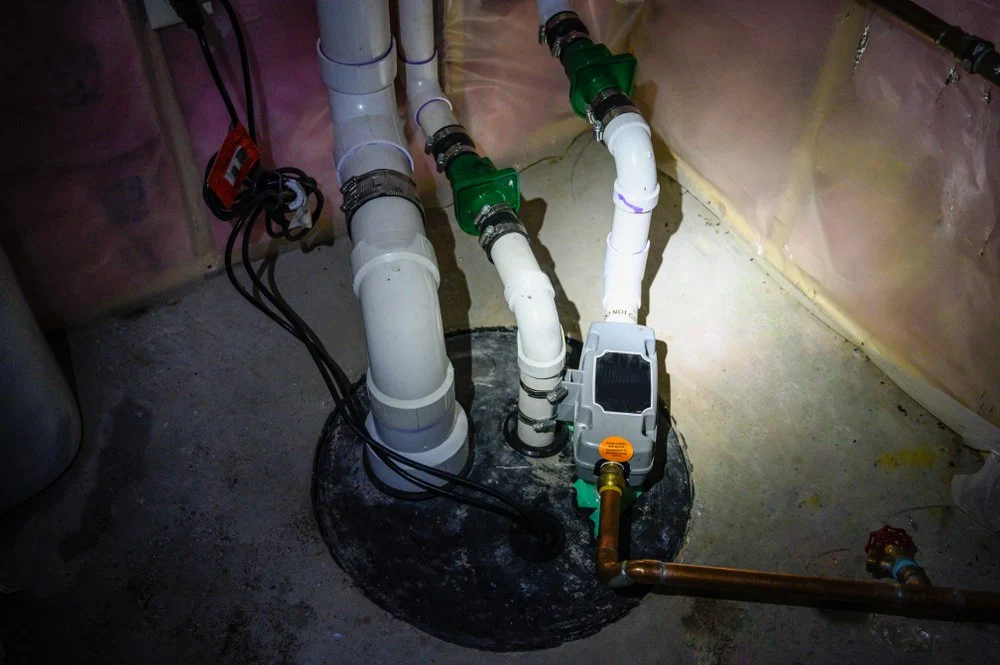
When performing sump pump maintenance, always disconnect power before inspecting or handling components. For complex electrical issues, recording a video of the problem can be helpful when consulting with a professional. Research from Consumer Reports shows that attending to unusual sounds promptly can extend pump life by 2-3 years.
Energy Efficiency and Your Sump Pump
Modern sump pumps vary significantly in their energy consumption, affecting both your utility bills and system reliability:
| Pump Type | Average Wattage | Energy Usage | Lifespan |
| Standard AC | 800-1500W | High | 5-7 years |
| Energy Efficient | 250-400W | Low | 7-10 years |
| Battery Backup | 50-100W (charging) | Very Low | 3-5 years (battery) |
Investing in energy-efficient models during your next replacement can significantly reduce electricity consumption. When performing regular sump pump maintenance, check the pump’s amperage draw against manufacturer specifications to detect efficiency decreases that may signal impending problems.
Energy-efficient pumps not only save money but typically run cooler, extending the life of electrical components. Consider upgrading to a variable speed pump that adjusts power consumption based on water volume, providing optimal efficiency during both light and heavy water events.
Backup Power Solutions
Power outages often coincide with storms—exactly when your sump pump is most needed. Implementing reliable backup power should be a critical component of your sump pump maintenance strategy:
Battery Backup Systems:
- Provide 24-48 hours of emergency operation during outages.
- Require regular battery inspection and replacement every 3-5 years.
- Most systems automatically switch over when main power fails.
Generator Options:
- Portable generators require manual startup but can power multiple systems.
- Automatic standby generators offer seamless protection without intervention.
- Both require regular testing as part of sump pump maintenance.
Water-Powered Backup Pumps:
- Operate using municipal water pressure without electricity.
- Ideal as a third line of defense in critical applications.
- Slightly increase water bills when in use, but provide insurance against extended outages.
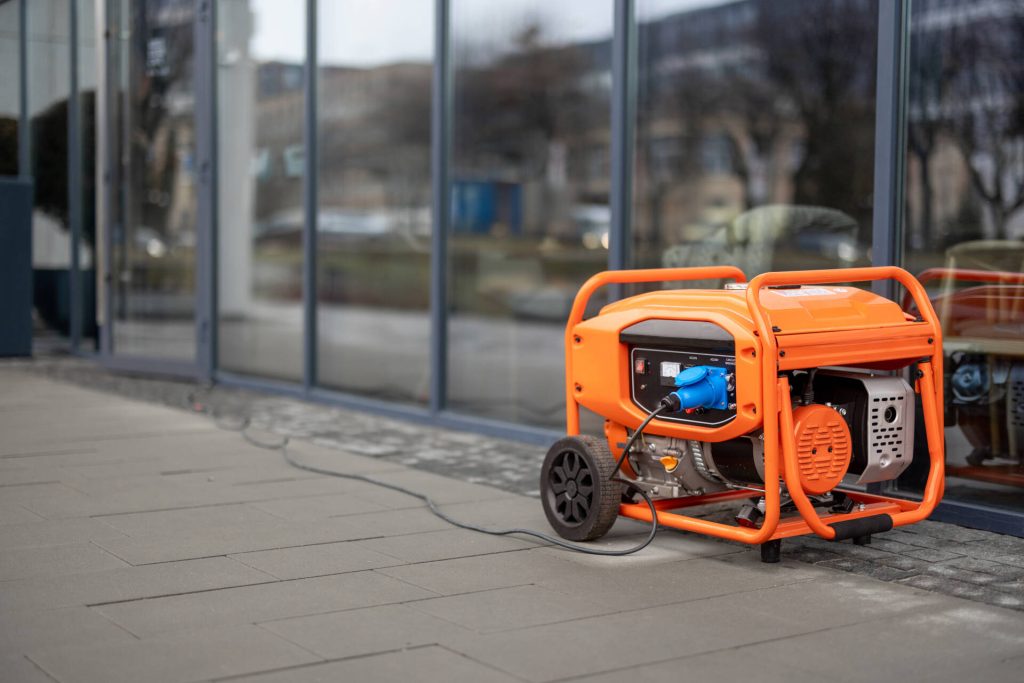
According to Hartford Insurance data, homes with backup power systems for sump pumps file 37% fewer water damage claims during major storms. When selecting a backup system, ensure its capacity matches or exceeds your primary pump to maintain adequate protection.
When to Call a Professional
While regular homeowner maintenance is valuable, certain situations warrant professional intervention:
- Electrical issues like tripping breakers or blown fuses when the pump activates.
- Motor runs but pumping capacity has noticeably decreased.
- Any burning smell or smoke from the pump or electrical connections.
- Backup battery system failures or charging problems.
- Installation of new electrical components or upgrading to a higher capacity system.
Professional electricians bring specialized tools like multimeters, clamp meters, and thermal cameras that can identify hidden electrical issues before they cause catastrophic failures. They can also ensure your system meets current electrical codes, which may have changed since your pump was installed.
Most experts recommend a professional inspection as part of your annual sump pump maintenance, ideally before your region’s wettest season. This professional check complements your regular homeowner maintenance for comprehensive protection.
Frequently Asked Questions
How often should I perform sump pump maintenance checks?
You should check your sump pump quarterly, with special attention before spring thaws and rainy seasons. A complete inspection should be performed at least once annually, ideally by a professional electrician.
What’s the average lifespan of a residential sump pump?
Most quality sump pumps last 7-10 years with proper maintenance. However, the electrical components like switches and cords may need replacement sooner, especially if the pump cycles frequently.
Can I install a backup battery system myself?
While DIY installation is possible for those with electrical experience, backup systems interface with your home’s electrical system and incorrect installation can create safety hazards. Professional installation ensures proper integration and code compliance.
Why does my GFCI outlet keep tripping when the sump pump runs?
GFCI tripping usually indicates a ground fault in your pump, moisture in the electrical components, or an aging pump drawing excessive current. This requires professional diagnosis as it represents a potential safety hazard.
How can I tell if my sump pump is the correct size for my home?
During heavy rain, observe your pump’s cycling frequency. If it runs more than once every 3 minutes continuously, it may be undersized. A professional can perform a flow test to determine if your pump meets your home’s needs.
Should I upgrade to a smart sump pump system?
Smart systems offering remote monitoring and alerts provide valuable peace of mind, especially for travelers or vacation homeowners. They represent a worthwhile upgrade if you travel frequently or have experienced water issues in the past.
Sump Pump Maintenance: Final Recommendations
Effective sump pump maintenance combines regular homeowner checks with periodic professional assessment. By implementing a quarterly maintenance schedule, you’re actively protecting your home from water damage while extending your system’s lifespan. The electrical components of your sump pump deserve special attention as they’re both critical to operation and common failure points.
Remember that weather patterns are becoming increasingly unpredictable, making your sump pump’s reliability more important than ever. Investing time in maintenance now prevents the much larger investments of time, money, and stress that come with water damage.
Document your maintenance activities in a simple log to track patterns and predict when components may need replacement.Your home represents one of your largest investments, and proper sump pump maintenance protects that investment from potentially devastating water damage.
Contact iConduit Electric today to schedule a professional inspection of your sump pump’s electrical systems and ensure your home remains protected through every season.